When buyers tour a home, they’re not just imagining where the couch will go—they’re quietly calculating risk. Few components signal “future expense” as loudly as an aging, stained, or visibly worn roof. Even if the interior is beautifully updated, a questionable roof can cast a shadow over the entire property, raising doubts about maintenance, water damage, and overall reliability. On the other hand, a new or recently replaced roof communicates that the home has been cared for, that big-ticket surprises are less likely, and that the next owner can move in with confidence.
A roof replacement is also one of the rare improvements that boosts resale value in multiple ways at once. It can elevate curb appeal, strengthen inspection outcomes, reduce negotiation friction, and support stronger marketing claims—without needing flashy finishes. While it’s not wise to promise a specific dollar-for-dollar return, it is accurate to say that a new roof can make a home easier to sell, more attractive to serious buyers, and less vulnerable to last-minute deal issues.
Below is an in-depth look at how a new roof helps increase your home’s resale value, along with practical tips, real-world examples, and actionable steps to ensure the replacement works in your favor when it’s time to list.
1) First impressions matter: curb appeal and buyer confidence
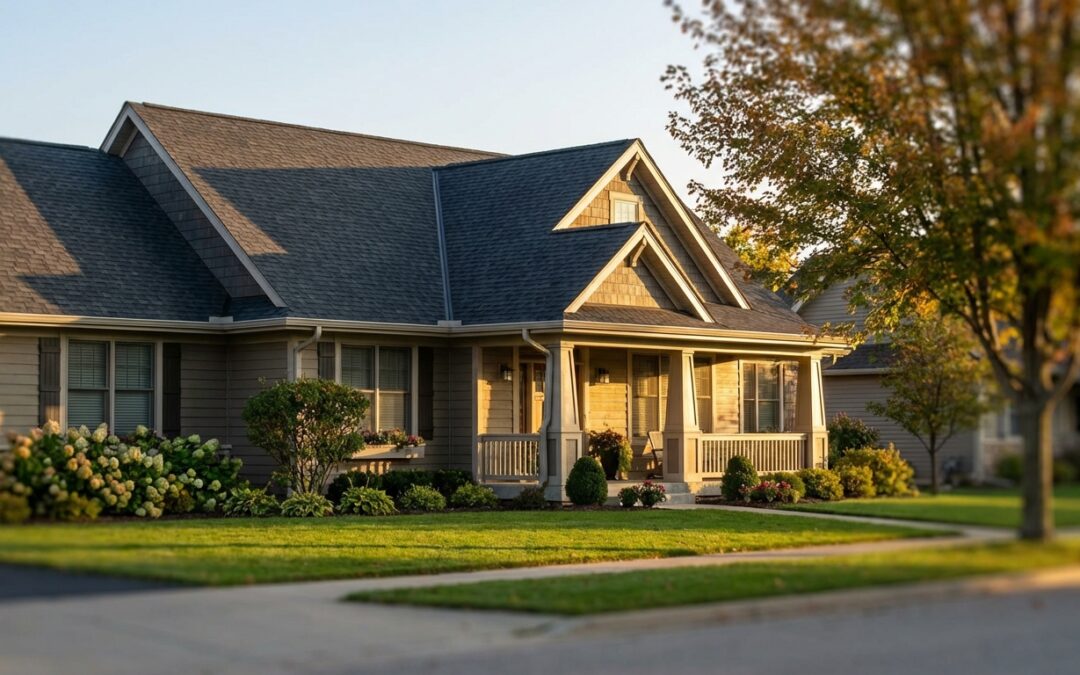
Buyers form an opinion quickly—often before they step inside. The roof occupies a large portion of what they see from the street, and it frames the home’s overall appearance. Missing shingles, sagging rooflines, dark streaks, moss growth, or mismatched patches can make the entire property feel older and less maintained, even if the rest of the exterior looks fine.
A new roof creates a clean, uniform look that signals “move-in ready.” Fresh architectural shingles, crisp ridge lines, updated flashing, and new vents can subtly modernize the home’s appearance. This matters because many buyers prefer homes that feel low-maintenance, especially when they’re already budgeting for moving costs, furnishings, and potential interior updates.
Beyond aesthetics, a new roof reduces uncertainty. Buyers may not be roofing experts, but they understand the basics: roofs are expensive, and leaks are disruptive. When the roof looks newer, buyers are less likely to mentally discount the home or assume hidden problems. That confidence can translate into more showings, stronger offers, and fewer objections during the sales process.
Practical tips to maximize curb appeal impact
Not all new roofs create the same visual upgrade. If resale value is the goal, choose materials and colors that complement the home’s style and neighborhood norms. A dramatic, trendy color might stand out in photos, but it can also limit buyer appeal if it clashes with nearby homes or feels too personalized.
Consider these actions before finalizing your selection:
- Match the architectural style: For example, dimensional shingles often look better on traditional homes than basic 3-tab shingles.
- Coordinate with exterior elements: Think siding color, brick tones, trim, gutters, and even the front door.
- Upgrade visible details: New drip edge, clean flashing lines, and properly placed vents can improve the finished look.
- Address roof-adjacent items: Fresh gutters, downspouts, and fascia repairs can amplify the “new roof” impression.
Example: A homeowner with a well-kept interior struggled to get offers because the roof had dark algae streaks and a few repaired areas visible from the driveway. After replacing the roof with a neutral, dimensional shingle and updating the gutters, the home photographed better, showings increased, and buyer feedback shifted from “concerned about roof age” to “feels well maintained.”
2) Smoother inspections and fewer red flags during due diligence
Home inspections are where deals can slow down—or fall apart. An older roof is one of the most common sources of inspection notes because inspectors look for signs of wear, improper installation, soft spots, flashing failures, and ventilation issues. Even if the roof isn’t actively leaking, its age and condition can trigger recommendations for repair or replacement, which buyers may use to renegotiate.
A new roof reduces the likelihood of major roofing-related findings. Properly installed shingles, new underlayment, updated flashing around chimneys and valleys, and correctly sealed penetrations (like plumbing vents) typically perform better and present fewer visible concerns. That can mean fewer repair requests, fewer contractor quotes during escrow, and less back-and-forth between buyer and seller.
Importantly, a roof replacement often uncovers and resolves hidden issues that might otherwise appear during inspection—like deteriorated decking, outdated ventilation, or improper flashing from a previous install. Fixing those problems proactively can prevent unpleasant surprises that derail negotiations later.
Common roof-related inspection issues a new roof helps prevent
While no project guarantees a perfect inspection, a new roof can significantly reduce many frequent concerns, including:
- Granule loss and brittle shingles: Signs of end-of-life materials that prompt replacement recommendations.
- Improper flashing: Especially around chimneys, skylights, and sidewalls where leaks often start.
- Roof ventilation problems: Poor ventilation can lead to heat/moisture buildup and shorten roof life.
- Soft decking or sagging: Sometimes caused by long-term moisture issues.
- Active leaks or water staining: Even minor signs can alarm buyers.
Example: A seller planned to “let the buyer handle it” with a 20+ year roof that had no obvious leaks. The inspection still flagged it as near the end of its service life and noted questionable flashing at the chimney. The buyer requested a large credit and extended the timeline to get multiple roofing bids. In contrast, another seller on the same street replaced the roof before listing and provided documentation; their inspection report contained no roof replacement recommendation, and negotiations stayed focused on minor items.
Actionable advice: document the work like a pro
One of the most overlooked resale advantages of a new roof is documentation. Buyers and agents love clear records because it reduces uncertainty. Save and organize:
- Signed contract and paid invoice
- Manufacturer product details (shingle type, warranty info)
- Workmanship warranty (if provided)
- Permits and final inspection approvals (where applicable)
- Photos during installation (optional but helpful)
When you can confidently say, “The roof was replaced in [year] by a licensed contractor, permitted, and includes transferable warranty information,” you remove a major barrier for cautious buyers.
3) Reduced buyer objections and stronger negotiating position
In many transactions, the roof becomes a negotiation lever. Buyers may worry about immediate replacement costs, potential interior damage, or the hassle of coordinating a roofing project after move-in. Even buyers who love the home can feel uneasy about taking on a roof right away—especially if they’re already stretching their budget.
A new roof can reduce or eliminate those objections. It helps keep the conversation focused on the home’s lifestyle benefits rather than deferred maintenance. That often leads to cleaner offers and fewer requests for credits or repairs tied to “anticipated roof replacement.”
It also strengthens your position when negotiating other items. If the roof is new and well documented, you’re less likely to be pressured into concessions based on fear of future issues. In a competitive market, that can help you maintain pricing integrity; in a slower market, it can differentiate your listing from similar homes with older roofs.
How a new roof changes the tone of negotiations
Negotiations are as much about psychology as they are about numbers. A buyer who believes the home has been maintained tends to assume other systems were also cared for. That perception can reduce “what else is wrong?” thinking, which often drives aggressive repair requests.
Here are practical ways a roof replacement can support smoother negotiations:
- Fewer contingency headaches: Buyers may feel more comfortable moving forward without prolonged roof evaluations.
- Less leverage for credits: A roof nearing end-of-life is a common reason buyers request a price reduction.
- More confidence in appraisal/underwriting: Some loan types and insurers scrutinize roof condition more closely.
Example: A buyer loved a home but asked for a significant credit after learning the roof was “original.” The seller replaced the roof before relisting, and the next buyer—seeing the new roof and warranty—submitted a cleaner offer with fewer repair demands, because the “big unknown” had been removed.
Tip: don’t over-improve—opt for market-appropriate choices
For resale, the goal is broad appeal and confidence, not necessarily the most premium roof on the market. A high-end material can be a great choice in some neighborhoods, but in others it may not align with buyer expectations. Consider what’s typical for comparable homes in your area and aim for a quality, durable option that fits the local market.
Ask your roofing contractor and real estate agent what buyers commonly expect in your neighborhood. That guidance can help you choose upgrades that support resale without creating a mismatch between your home and nearby comparables.
4) Better energy performance and improved home comfort (a selling point)
While buyers might not ask about “thermal performance” on a showing, comfort and efficiency often influence their impression of a home. A roof replacement is an opportunity to improve ventilation, address insulation-related concerns, and reduce heat buildup in the attic—especially in warmer climates or homes with poor airflow.
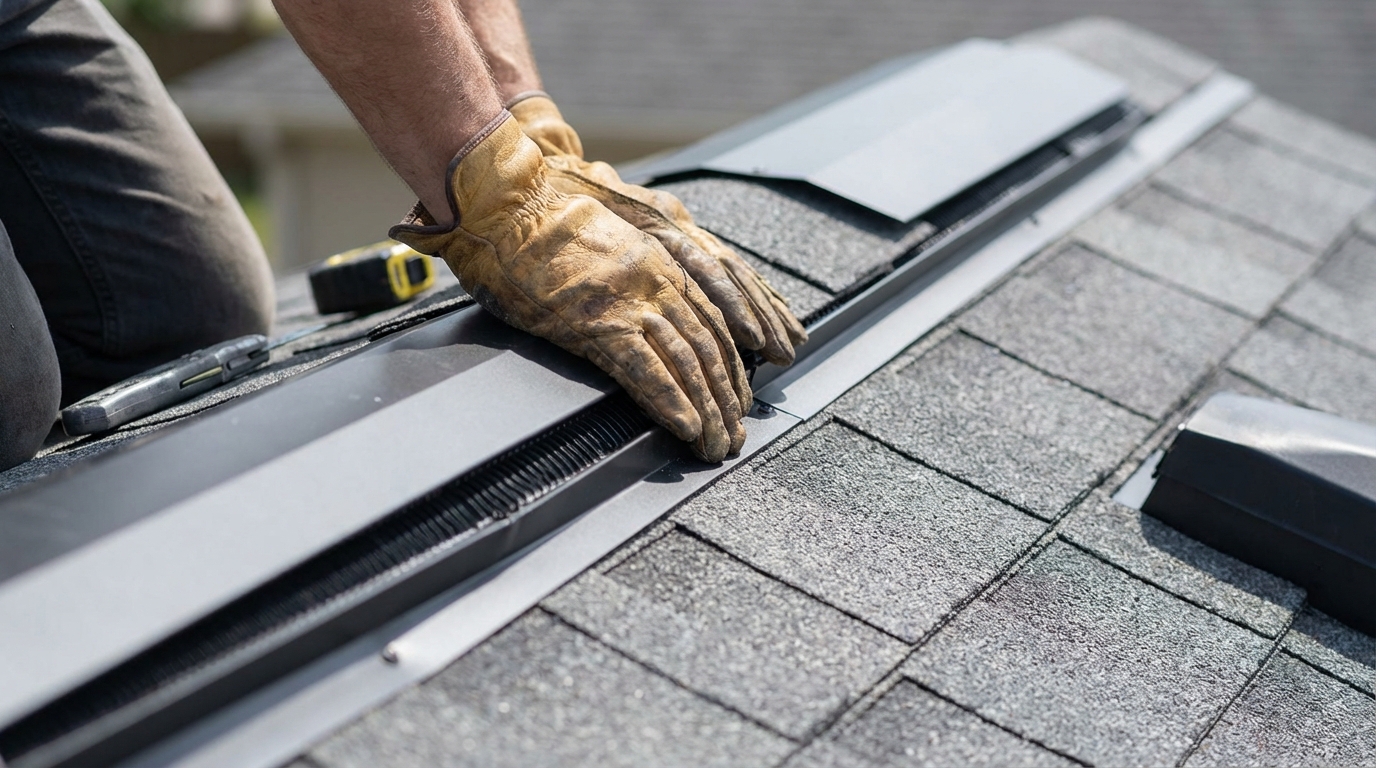
Many older roofs were installed with less attention to balanced ventilation. Over time, inadequate intake and exhaust ventilation can contribute to excessive attic heat, moisture problems, and uneven temperatures inside the home. A replacement project allows your contractor to evaluate ridge vents, soffit vents, attic fans (if present), and baffles, then recommend adjustments that support healthier airflow.
Additionally, some roofing materials and colors can reflect more sunlight, reducing heat absorption. While the impact varies by region and home design, these improvements can make the home feel more comfortable—something buyers notice quickly during a walkthrough.
Ventilation upgrades that often pair well with a new roof
If you’re replacing the roof before selling, ask your contractor about ventilation and moisture management. Common improvements include:
- Ridge vent installation: Helps hot air escape along the roof peak when paired with proper intake vents.
- Soffit venting: Provides intake airflow, which is essential for balanced ventilation.
- Bathroom fan vent corrections: Ensures fans vent outside properly (not into the attic).
- Proper flashing and sealing: Reduces air and moisture intrusion at roof penetrations.
Example: A homeowner noticed upstairs rooms were consistently warmer. During the roof replacement, the contractor found limited soffit intake and an undersized exhaust setup. After adding balanced ventilation, the upstairs felt more comfortable, and the seller could honestly highlight “improved ventilation and attic airflow” in listing notes—an understated but meaningful benefit for buyers.
Actionable tip: translate technical improvements into buyer-friendly language
Buyers don’t always connect “ridge vent” with “comfort,” so help them. Work with your agent to describe the benefits clearly in marketing materials. For example:
- “New roof with updated ventilation for improved attic airflow”
- “Recently replaced roof with new flashing and sealed penetrations”
- “Roof replacement included ventilation updates to support comfort and moisture control”
These statements stay factual (no exaggerated claims) while helping buyers understand why the improvement matters day-to-day.
5) Insurance, financing, and buyer eligibility: removing transaction barriers
A roof isn’t just a physical structure—it can influence whether a buyer can easily insure and finance the home. In some regions, insurers may be cautious with older roofs, and certain loan programs can require a roof to have a reasonable remaining service life. Even when coverage is available, buyers may face added paperwork, inspections, or premium complications if the roof appears worn.
A new roof can help reduce these transaction barriers. When the roof is recently replaced and documented, buyers may have an easier time securing homeowners insurance without additional roof inspections or exclusions. This can keep the closing timeline on track and reduce last-minute stress.
From a seller’s perspective, fewer obstacles means fewer reasons for a deal to fall apart. A buyer who runs into insurance issues may attempt to renegotiate, delay closing, or cancel. While outcomes vary by provider and location, a newer roof generally improves the home’s “insurability profile” compared to an aging roof with visible wear.
Practical steps to support smooth insurance and financing conversations
If you’re replacing the roof ahead of listing, take these steps to help buyers and their lenders/insurers:
- Keep the roof certificate/invoice accessible: Provide it promptly when requested.
- Confirm permits and inspections: In areas where required, this can reassure underwriters and buyers.
- Know the roof’s key specs: Material type, installation date, and warranty details.
- Disclose accurately: If any roof work is still under warranty or recently completed, include it in disclosures and listing remarks appropriately.
Example: A buyer’s insurer requested proof of roof age before binding coverage. The seller who had replaced the roof could immediately provide the paid invoice and permit sign-off, preventing delays. A comparable home with an older roof required additional inspections and follow-up, adding uncertainty during escrow.
Tip: prioritize workmanship and code compliance
For resale value, “new” matters—but “properly installed” matters more. A poorly installed roof can still trigger inspection findings, leaks, or warranty issues. Choose a reputable contractor who follows local codes, uses correct underlayment and flashing methods, and provides a clear scope of work. A roof replacement done right becomes a selling asset; done poorly, it can become a liability even if it’s brand new.
6) Timing, material choices, and how to market a new roof when selling
Replacing a roof is a major project, so timing and planning are essential. If you replace too early without addressing other visible maintenance issues, the roof may not stand out. If you wait too long and list with a worn roof, you may face buyer skepticism, repair demands, or reduced interest. The best approach is to align the roof replacement with your listing timeline and overall prep strategy.
Material selection also plays a role in resale value—not because one material guarantees a higher sale price, but because the right choice can broaden buyer appeal and reduce objections. In many markets, architectural asphalt shingles offer an excellent balance of appearance, durability, and familiarity. In others, metal roofing may be common and appreciated for longevity and performance. The “best” material is often the one that fits your home’s style, your climate, and neighborhood expectations.
Finally, marketing matters. A new roof won’t help if buyers don’t know about it—or if they don’t understand why it’s valuable. The goal is to present the roof replacement as evidence of responsible ownership and reduced near-term maintenance, without making exaggerated promises.
When should you replace the roof: before listing vs. during escrow?
Replacing the roof before listing often provides the strongest resale benefits because it improves photos, boosts showing confidence, and reduces inspection friction. It also allows you to choose the contractor and manage the project on your schedule rather than under escrow deadlines.
Replacing during escrow can work, but it’s usually more stressful. Timelines can be tight, weather can cause delays, and buyers may want input on materials or warranties. If the roof is a known issue, addressing it before listing typically creates a smoother process.
If a full replacement isn’t feasible, consider a professional roof inspection and targeted repairs—then disclose clearly. While this won’t deliver the same value boost as a new roof, it can still reduce uncertainty and help you price and market the home more accurately.
Material and feature choices that tend to support resale
To keep buyer appeal broad, focus on quality and neutrality. Consider:
- Architectural shingles: Often perceived as an upgrade due to dimensional look.
- Neutral colors: Charcoal, weathered wood, and medium browns commonly complement many exteriors.
- Upgraded underlayment (where appropriate): Especially in valleys or for added moisture protection.
- Ice and water shield: Valuable in colder climates or areas prone to wind-driven rain (follow local code and best practices).
- New flashing and ventilation components: These “invisible” items often prevent future problems and show up in inspection quality.
Example: A seller chose a highly distinctive shingle color that looked great to them but clashed with the home’s brick and trim. Feedback from buyers was mixed, and some described the home as “hard to picture updated.” A more neutral roof choice typically appeals to a wider audience and photographs better across different lighting conditions.
How to showcase a new roof in your listing (without overclaiming)
Work with your agent to include the roof replacement in the listing description, seller disclosures, and showing materials. Keep it factual and benefit-oriented:
- State the year replaced and the contractor (if appropriate)
- Note that flashing/vents were updated if they were
- Mention transferable warranty details if available (and confirm transfer rules)
- Provide documentation upon request
You can also add a simple “home improvements sheet” for showings that lists key upgrades with dates. Buyers appreciate transparency, and it reinforces the idea that the home has been maintained thoughtfully.
Conclusion: key takeaways on why a new roof supports resale value
A new roof can be one of the most practical, confidence-building improvements you can make before selling a home. It enhances curb appeal, reduces buyer uncertainty, and helps prevent inspection issues that often lead to renegotiations. It can also support comfort and efficiency through improved ventilation, while reducing potential insurance and financing hurdles that can complicate closing.
To get the most resale benefit, focus on choices that appeal to a wide range of buyers: quality materials, professional installation, code compliance, and thorough documentation. Pair the roof replacement with smart marketing—clear, factual listing notes and accessible records—so buyers understand what was done and why it matters.
Key takeaways:
- A new roof improves first impressions and signals good maintenance.
- It can reduce inspection findings and minimize repair negotiations.
- It helps remove transaction barriers related to insurance and financing.
- Ventilation and flashing upgrades can add comfort and reliability benefits.
- Neutral, market-appropriate materials and strong documentation maximize buyer confidence.
If you’re considering a roof replacement before listing, consult a reputable roofing contractor and your real estate professional to align the project with your local market expectations. Done well, a new roof doesn’t just protect the home—it helps protect the sale.