
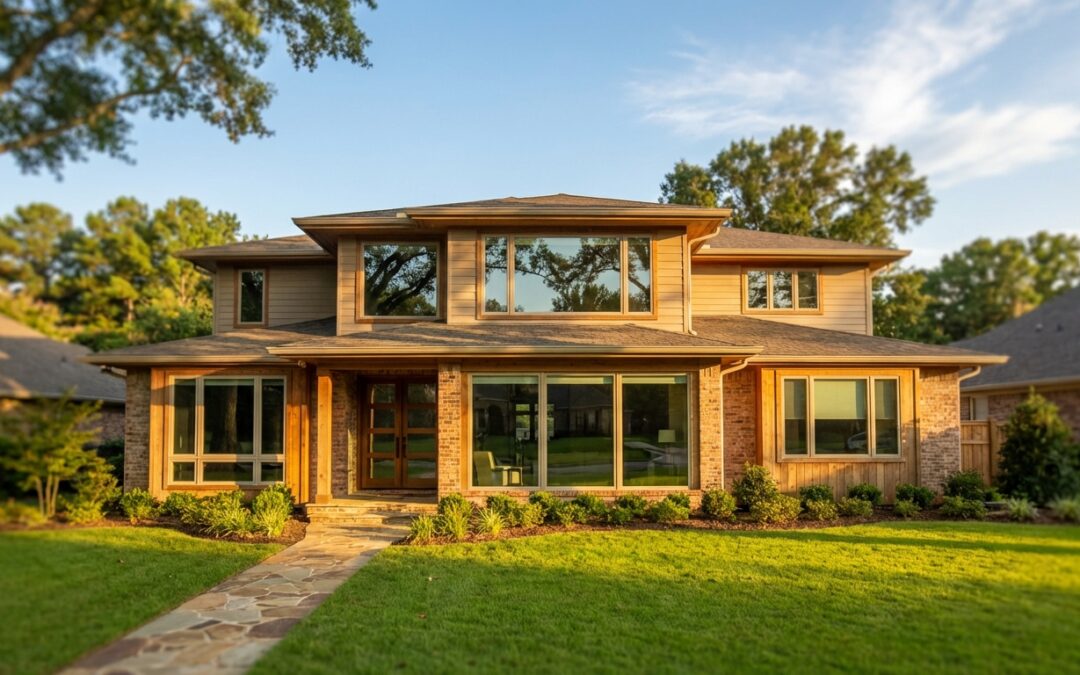
Georgia homeowners know the feeling: the A/C runs hard from late spring through early fall, the sun bakes west-facing rooms in the afternoon, and humidity seems to seep in no matter what you do. If your power bill spikes every summer (and still feels high in winter), your windows may be a major reason. The right energy-efficient glass doesn’t just “upgrade the look” of your home—it can reduce heat gain, cut HVAC runtime, improve comfort room-by-room, and make your home feel quieter and less drafty.
This guide breaks down how energy-efficient windows work in Georgia’s climate, which glass options matter most, and how to choose the best configuration for your home—without paying for features that don’t move the needle. You’ll also find practical examples, shopping checklists, and installation tips that protect your investment for years.
1) Why Georgia homes lose (and gain) so much energy through windows
Windows are a unique part of the building envelope: they provide daylight and views, but they also create pathways for heat to enter and leave. In Georgia, the biggest energy penalty is typically summer heat gain—sunlight and hot outdoor air warming your interior—followed by winter heat loss on cold nights. Even a well-insulated attic can’t fully compensate for underperforming windows if the glass is letting in excessive solar heat or if the frames leak air.
There are three main ways windows affect your HVAC load. First is solar radiation: sunlight passes through glass and becomes heat inside your home, especially on south- and west-facing elevations. Second is conductive heat transfer: heat moves through the glass and frame materials due to temperature differences (hot outside vs. cool inside in summer, the reverse in winter). Third is air infiltration: small gaps around sashes and frames allow conditioned air to escape and humid outdoor air to enter, forcing your system to work harder and longer.
Georgia’s humidity adds another layer. When humid air infiltrates, your A/C must remove that moisture (latent load) in addition to lowering the temperature (sensible load). That’s why a home can feel “clammy” even when the thermostat reads 74°F. Energy-efficient windows and proper installation can reduce infiltration and help your HVAC spend more time maintaining comfort rather than constantly catching up.
Real-world example: the west-facing problem
Many Georgia homes have a “hot side” in late afternoon—often the west wall with large windows. In July and August, that sun angle can drive intense heat gain, making a living room or bonus room uncomfortable and increasing cooling demand right when utility rates may be highest. Upgrading to low-E glass tuned for solar control (and improving air sealing) often makes those rooms usable again without lowering the thermostat for the entire house.
Comfort clues that your windows are costing you
Before you shop, look for these common signs: rooms that are consistently hotter in summer or colder in winter, noticeable drafts near windows, condensation between panes (seal failure), rattling sashes, fading floors/furniture near sunny windows, and HVAC short cycling or running nonstop on peak days. These symptoms don’t always mean you need full replacement, but they do indicate that glass performance and air sealing deserve attention.
2) The glass features that actually cut your power bill
When people hear “energy-efficient windows,” they often think of a brand name or a thicker pane. In reality, the most meaningful improvements typically come from the glass package: coatings, gas fills, pane configuration, and spacers. In Georgia, the goal is usually to reduce solar heat gain while maintaining good visible light and controlling humidity-related discomfort.
Start with two ratings you’ll see on NFRC labels: U-factor and Solar Heat Gain Coefficient (SHGC). U-factor measures how well a window resists heat flow (lower is better). SHGC measures how much solar heat passes through (lower is better for cooling-dominant climates). For many Georgia homes, SHGC is the “bill cutter” in summer, while U-factor helps with winter comfort and overall efficiency.
Also pay attention to Visible Transmittance (VT)—how much daylight comes through. A very low SHGC can sometimes reduce daylight or slightly change the color tone. The best windows balance solar control with natural light so you don’t offset savings by turning on more lights.
Low-E coatings: not all Low-E is the same
Low-emissivity (Low-E) coatings are microscopically thin layers applied to glass that reflect infrared energy. In simple terms, Low-E can keep outdoor heat out in summer and indoor heat in during winter. The key is that there are different “flavors” of Low-E—some prioritize solar control (lower SHGC), while others prioritize insulating value (lower U-factor) and allow more solar gain.
For Georgia’s long cooling season, many homeowners benefit from solar-control Low-E glass, especially on west- and south-facing windows. In mixed seasons (spring/fall), you still want comfort without making rooms feel dark. Ask your window provider which Low-E coating is being used and what the actual SHGC and VT numbers are for the exact configuration you’re buying.
Double-pane vs. triple-pane: what makes sense in Georgia
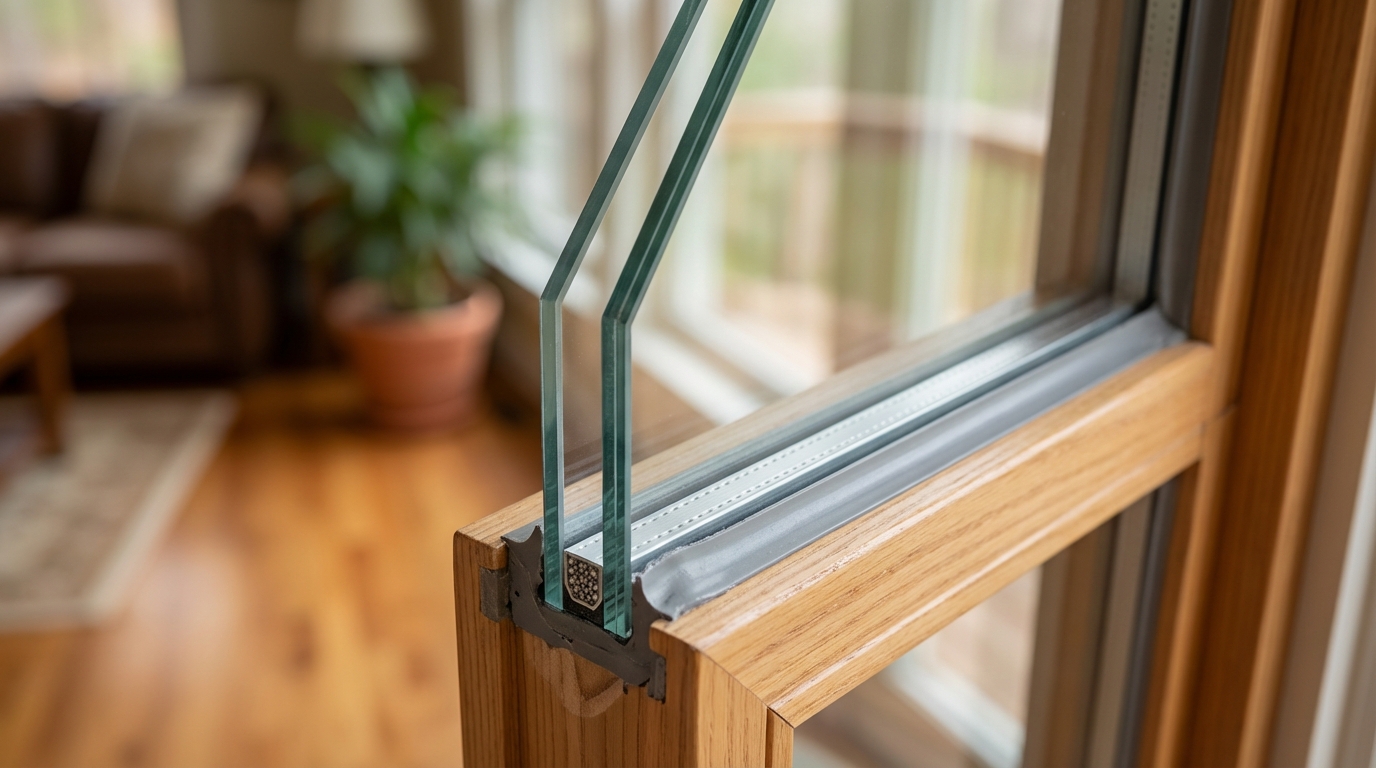
Double-pane insulated glass units (IGUs) are the standard efficiency upgrade from older single-pane windows. Triple-pane can deliver lower U-factors and improved sound control, but it costs more and adds weight. In many parts of Georgia, high-quality double-pane with the right Low-E and gas fill provides an excellent return, especially when paired with good air sealing and proper installation.
Triple-pane may be worth considering if you have specific needs: high traffic noise, large expanses of glass, comfort issues in winter, or you’re building a high-performance home. But if your primary pain point is summer solar gain, the coating and SHGC often matter more than adding a third pane.
Argon/krypton gas fills and warm-edge spacers
Most energy-efficient IGUs use argon gas between panes to slow heat transfer. Krypton performs even better but is usually reserved for thinner spaces or premium packages. The improvement is real, but it’s not magic—gas fill works best when combined with Low-E coatings and a durable seal.
Warm-edge spacers (the materials separating the panes around the perimeter) reduce heat transfer at the edges and can help lower condensation risk. In humid Georgia conditions, reducing edge condensation is a quality-of-life win, especially in bedrooms and kitchens where indoor humidity can run higher.
Laminated glass: efficiency plus comfort and protection
Laminated glass (two layers bonded with an interlayer) is often chosen for safety, security, and sound reduction. While it’s not primarily an energy upgrade, it can complement an efficient IGU and improve comfort—particularly in homes near busy roads. It can also reduce UV transmission, helping protect floors and furnishings from fading in sun-heavy rooms.
3) Choosing the right performance numbers for Georgia’s climate
Shopping by buzzwords leads to overspending or underbuying. The most reliable way to choose is to match performance numbers to your home’s orientation, shading, and HVAC realities. Georgia spans multiple climate zones and microclimates, but most homeowners share a cooling-dominant profile with high humidity and strong solar exposure.
As a general planning approach, prioritize lower SHGC for sun-exposed windows and a solid U-factor for overall comfort. Many homeowners do well with windows that have SHGC in the neighborhood of 0.20–0.30 for highly exposed elevations, while still keeping VT comfortable. U-factor targets vary by product and budget, but lower is better—especially if you notice cold drafts in winter.
Orientation matters more than most people expect. A one-size-fits-all window package can be fine, but if you have large west-facing glass, a tailored approach can improve comfort without making the whole home feel dim. Consider using stronger solar-control glass on the west and south sides, and a slightly higher VT option on shaded north-facing windows.
Use the NFRC label like a pro
Look for the NFRC label because it reports standardized performance values for the exact window configuration. Focus on:
- U-Factor: lower reduces heat flow.
- SHGC: lower reduces solar heat gain (often crucial in Georgia).
- VT: higher means more daylight; balance with SHGC.
- Air Leakage (AL): lower means fewer drafts; ask for the number if not listed.
If you’re comparing quotes, insist on seeing the performance numbers for the quoted line and glass package—not a brochure range. Two windows can both be called “Low-E,” yet have meaningfully different SHGC and comfort outcomes.
Don’t ignore air leakage—humidity makes it expensive
Air leakage is often overlooked because it’s harder to visualize than “double pane.” But in humid climates, infiltration can raise indoor humidity, increase mold risk in poorly ventilated areas, and keep your A/C running longer. If you’ve ever felt a sticky indoor afternoon even with the A/C on, tightening up leaky windows can help.
Practical tip: on a windy day, hold a thin tissue near window edges and locks. If it flutters, you likely have leakage. This doesn’t replace professional testing, but it’s a quick way to identify problem areas before you decide whether you need repair, weatherstripping, or replacement.
Real example: targeted upgrades vs. whole-house replacement
Consider a two-story home in metro Atlanta with an open-concept living area and a wall of west-facing windows. The owners complain that the living room hits 78–80°F by 5 p.m. even when the thermostat is set to 74°F. Instead of replacing every window at once, they prioritize the west elevation with a lower-SHGC Low-E package and improve sealing around those openings. The result is often a noticeable reduction in afternoon temperature swing and HVAC runtime—sometimes enough to delay or reduce the scope of the remaining replacements.
4) Window frames, installation, and air sealing: the hidden half of efficiency
Even the best glass can’t perform if the window is installed poorly or the frame is a thermal weak point. In Georgia, where storms, humidity, and seasonal expansion/contraction are routine, installation quality is a major determinant of comfort and durability. A high-performance window with sloppy flashing can lead to water intrusion, rot, and insulation damage—problems that erase energy gains and create expensive repairs.
Frame material affects insulation, maintenance, and longevity. Vinyl frames can offer strong thermal performance and low maintenance. Fiberglass tends to be stable and durable with good insulating properties. Wood looks great but requires more upkeep, and performance depends on construction quality and cladding. Aluminum is strong but can conduct heat more readily unless it has an effective thermal break.
Regardless of frame type, air sealing and water management are non-negotiable. The goal is to stop uncontrolled airflow and direct any incidental water back out—without trapping moisture in the wall. That’s why reputable installers focus on flashing details, shimming, insulation in the gap, and interior/exterior sealants appropriate for Georgia’s heat and humidity.
What “good installation” looks like (homeowner checklist)
Use this checklist when you’re getting quotes or reviewing work:
- Proper flashing: integrated with the weather-resistive barrier when applicable; not just caulk.
- Square and plumb: windows operate smoothly without forcing locks.
- Insulated perimeter: low-expansion foam or backer rod and sealant as appropriate.
- Continuous air seal: especially at head and jambs; no visible gaps.
- Drainage/weep paths: not blocked by paint, caulk, or debris.
Ask the contractor to explain their flashing approach for your specific wall type (brick, siding, stucco, etc.). A clear, confident explanation is a good sign. Vague answers like “we just caulk it really well” are a red flag in a rainy, humid region.
Air sealing beyond the window: trim, drywall, and returns
Sometimes the draft isn’t the window—it’s the connection between the window and the interior finish. Gaps behind trim, poorly sealed drywall returns, or uninsulated cavities around the frame can allow air movement. If you’re not ready for full replacement, a targeted air-sealing project (re-caulking, weatherstripping, foam in accessible gaps) can deliver measurable comfort improvements.
Practical tip: after sealing, monitor indoor humidity with an inexpensive hygrometer. Many Georgia homes feel best around 45–55% relative humidity. If sealing helps your A/C maintain that range more consistently, you’ll often notice better sleep and fewer “sticky” afternoons.
Storm readiness: efficiency and resilience can overlap
Georgia storms can bring wind-driven rain and debris. While impact-rated glass is more common in coastal hurricane zones, stronger glass options (like laminated) and robust installation can improve peace of mind. Even if you don’t need impact-rated products, choosing quality hardware, reinforced meeting rails on large units, and durable seals can reduce long-term maintenance and help windows stay tight over time.
5) Cost, rebates, ROI, and how to plan a smart window upgrade
Energy-efficient windows are a meaningful investment, so it’s reasonable to ask: will they pay for themselves? The honest answer depends on your existing windows, your home’s exposure, utility rates, and how well the new windows are installed. In many Georgia homes with older single-pane or failed double-pane units, the combination of reduced heat gain, fewer drafts, and lower HVAC runtime can produce noticeable monthly savings—especially during peak cooling months.
However, ROI isn’t only about the bill. Comfort, reduced hot spots, less fading, quieter rooms, and improved resale appeal all contribute to value. Many homeowners decide the “payback” is worth it when they realize they can keep the thermostat a bit higher in summer (or lower in winter) without sacrificing comfort. That behavior change alone can amplify the savings from better glass.
A smart plan often starts with an energy audit mindset: identify the worst performers first, address air leakage, and prioritize the windows that drive the biggest load—typically large, unshaded west and south exposures. This approach can outperform a blanket replacement strategy when budgets are tight.
How to compare quotes without getting overwhelmed
When you receive multiple bids, compare apples-to-apples using a simple worksheet:
- Exact window line and model (not just brand).
- Glass package (Low-E type, gas fill, spacer).
- NFRC numbers for that configuration (U-factor, SHGC, VT, AL if available).
- Installation method (full-frame vs. insert, flashing details).
- Warranty (glass seal, frame, labor/workmanship).
Be cautious with quotes that lead with “lifetime warranty” but don’t specify what’s covered or who pays labor. In humid climates, seal failure and operational issues can show up years later, and workmanship coverage matters.
Rebates and tax credits: what to ask about
Programs change over time, but energy-efficient windows may qualify for federal tax credits or local utility incentives depending on current rules and product ratings. Ask your contractor for the manufacturer’s certification statement and the NFRC documentation needed for any incentive paperwork. Also ask whether your chosen configuration meets the relevant efficiency thresholds for your region.
Even when incentives are modest, they can help you upgrade to a better glass package—like stepping down SHGC for a sun-exposed elevation—without increasing your out-of-pocket cost as much.
Phased upgrades: a practical strategy for many homeowners
If replacing every window at once isn’t feasible, phase the project based on impact:
- Phase 1: west- and south-facing windows, large picture windows, rooms with comfort complaints.
- Phase 2: bedrooms (sleep comfort), upstairs windows that drive heat buildup.
- Phase 3: shaded elevations or smaller windows with less exposure.
This strategy can deliver immediate relief where it’s most noticeable, while spreading cost over time. Just ensure the window style and color choices remain available across phases so the home looks consistent.
6) Actionable steps: picking the right glass for each room
The best window plan is the one that fits how you live in the home. A home office with afternoon glare needs a different solution than a shaded kitchen window. By matching glass performance to each space, you can maximize savings and comfort without over-engineering.
Start by mapping your home’s exposures. Note which rooms get harsh afternoon sun, which feel drafty in winter, and which have humidity issues (bathrooms, laundry areas). Then decide where you need stronger solar control, where you want maximum daylight, and where sound reduction would improve quality of life.
Finally, consider complementary improvements. Sometimes the “right glass” plus a few supporting upgrades—like better shading, tighter weatherstripping, or HVAC balancing—delivers the best overall result.
Room-by-room recommendations (practical guide)
- West-facing living rooms: prioritize low SHGC solar-control Low-E; consider slightly lower VT if glare is a problem; add exterior shading where possible.
- South-facing spaces: low-to-moderate SHGC depending on overhangs; if you have good roof overhangs or porch shading, you may not need the lowest SHGC.
- North-facing windows: often benefit from higher VT for daylight; SHGC is less critical due to limited direct sun.
- Bedrooms: focus on low air leakage and comfort; consider laminated glass if noise is an issue; ensure smooth operation for ventilation when weather is mild.
- Kitchens/baths: prioritize condensation resistance and easy-to-clean surfaces; good perimeter sealing helps manage humidity.
Shading and films: when they help (and when they don’t)
Before replacing windows, some homeowners consider aftermarket window film. Film can reduce solar gain and glare, and it may be a cost-effective short-term step for a problem room. But it’s not always compatible with every glass type and can sometimes void warranties or increase thermal stress on certain IGUs. If you’re considering film, confirm compatibility with the window manufacturer or a qualified installer.
Exterior shading—awnings, solar screens, shutters, and well-placed trees—can be extremely effective in Georgia because stopping the sun before it hits the glass reduces heat gain dramatically. A balanced plan might include better glass plus targeted shading on the hottest exposures.
Maintenance tips that preserve performance
Energy-efficient windows perform best when they remain tight and well-drained. Keep weep holes clear, avoid sealing drainage paths with paint or caulk, and inspect exterior sealant lines periodically—especially after big temperature swings. If you notice condensation between panes, address it promptly; a failed seal reduces insulating performance and can worsen over time.
Also check locks and latches. On many operable windows, engaging the locks helps pull sashes snug against weatherstripping, improving air tightness. It’s a small habit that can reduce drafts and improve comfort, particularly during peak heating and cooling seasons.
Conclusion: the right glass is a comfort upgrade that pays you back
In Georgia, energy-efficient windows are less about chasing a label and more about choosing the right glass performance for heat, sun, and humidity. When you prioritize solar-control Low-E where it matters, verify NFRC numbers (especially SHGC and U-factor), and pair great glass with excellent installation and air sealing, you can reduce HVAC strain and make your home feel consistently comfortable—without constantly adjusting the thermostat.
Key takeaways to remember:
- SHGC often drives summer savings in Georgia; choose lower SHGC for sun-exposed windows.
- Low-E coatings vary; confirm the actual performance numbers for your exact configuration.
- Installation quality is essential; flashing and air sealing protect both efficiency and durability.
- Plan strategically; prioritize west/south exposures and the rooms that cause the most discomfort.
- Combine solutions; smart shading and maintenance help your windows perform their best over time.
If your goal is a lower power bill and a more comfortable home year-round, the right window glass—chosen with Georgia’s climate in mind—can be one of the most impactful upgrades you make.