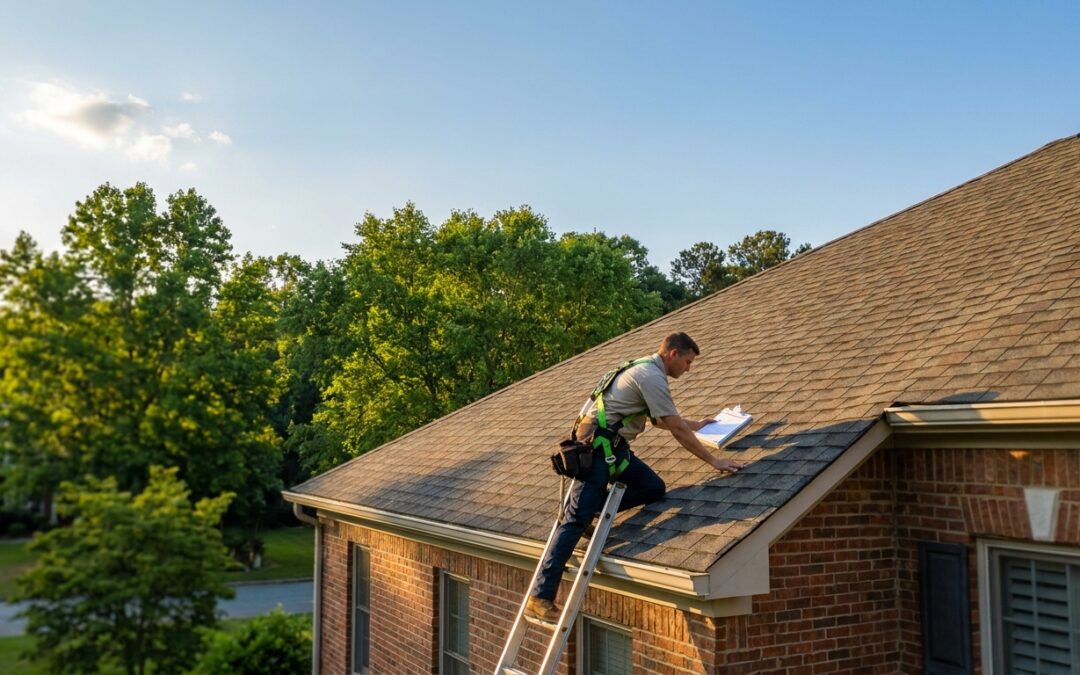
Georgia roofs take a beating—hot, humid summers, sudden thunderstorms, occasional hail, and the kind of tree cover that looks great in a neighborhood but can wreak havoc on shingles and gutters. If you’ve noticed a leak, missing shingles, or dark streaks that won’t go away, you’re probably asking the same question most homeowners face sooner or later: should you repair the roof you have, or replace it entirely? The right answer isn’t always obvious, and making the wrong call can cost you twice—once for the “quick fix,” and again when you end up replacing anyway.
This guide walks you through how to make a confident, cost-smart decision for a Georgia home. You’ll learn the biggest factors that determine whether a repair is enough, what conditions point strongly toward replacement, and how to evaluate quotes, warranties, and timing. Along the way, you’ll get practical examples, checklists, and actionable steps you can use before you sign anything.
Start With the Big Three: Age, Damage, and Your Goals
Before you zoom into individual shingles or a single leak spot, step back and assess three decision drivers: the roof’s age, the extent of damage, and your plans for the home. These factors shape the “repair vs. replace” choice more than any single symptom. A roof that’s 8 years old with localized wind damage is a very different situation than a 22-year-old roof with widespread granule loss and repeated leaks.
Age is often the simplest predictor. Many Georgia homes have asphalt shingle roofs, and while “30-year shingles” sound like they last three decades, real-world lifespan depends on attic ventilation, installation quality, sun exposure, and storm history. In much of Georgia, a typical asphalt shingle roof may last roughly 15–25 years. If your roof is nearing that range, repairs can become a short-term patch rather than a long-term solution.
Damage scope matters just as much. One missing ridge cap, a few creased shingles from wind, or a flashing issue around a chimney can often be repaired effectively. But if damage is widespread—multiple slopes affected, repeated leaks in different areas, or systemic issues like sagging decking—replacement starts to look like the safer, more economical path.
Your goals are the third piece. Are you planning to sell in the next 1–3 years? Do you want to reduce energy bills? Are you trying to avoid ongoing maintenance? A repair might be the best financial move if you’re selling soon and the roof still has life left, but a replacement can be a strong value-add if the roof is a buyer objection or an insurance concern.
A practical “first-pass” decision rule
If your roof is under ~10–12 years old and the problem is isolated, start by exploring repair. If it’s over ~15–20 years old and you’re seeing multiple symptoms (leaks, granule loss, shingle brittleness, soft decking), you should seriously price replacement—even if a repair seems possible. This isn’t a hard rule, but it prevents you from sinking money into a roof that’s already at the end of its useful life.
Georgia-Specific Roof Stressors (and What They Mean for Your Decision)
Georgia’s climate and environment create roof issues that can mimic one another. A stain on the ceiling could be a flashing failure, a nail pop, condensation from poor ventilation, or a slow leak traveling along a rafter. Likewise, black streaks on shingles might be algae rather than aging. Understanding common Georgia roof stressors helps you avoid replacing a roof that only needs targeted repairs—or repairing a roof that’s failing systemically.
Heat and UV exposure are major culprits. Long, hot summers can accelerate shingle aging, causing curling, cracking, and granule loss. South- and west-facing slopes often wear faster. If one slope is significantly more deteriorated than the others, a partial repair or partial replacement may be possible, but color matching and uniform lifespan become concerns.
Humidity, algae, and moss are especially common in shaded areas. Those dark streaks you see may be algae (often Gloeocapsa magma), which is more of a cosmetic issue than a structural one—until it contributes to moisture retention and faster shingle wear. If the roof is otherwise sound, professional cleaning and preventative measures (like algae-resistant shingles or zinc/copper strips) can extend life without full replacement.
Storms, wind, and hail create damage that isn’t always obvious from the ground. Wind can lift shingles and break the seal strip, leading to future blow-offs and water intrusion. Hail can bruise shingles, dislodging granules and shortening lifespan. If a storm event caused the damage, your decision may also involve insurance timelines, documentation, and whether repairs will restore full performance.
Tree cover: beautiful, but risky
Many Georgia neighborhoods have mature trees. Overhanging limbs drop debris that clogs valleys and gutters, pushing water under shingles. Squirrels and raccoons can also damage vents and ridge caps. If you’re dealing with recurring debris-related issues, a repair may solve today’s leak, but a longer-term plan should include trimming branches, improving gutter protection, and ensuring proper attic airflow.
When a Roof Repair Is the Smart Choice (and What “Good Repair” Looks Like)
A well-executed repair can buy you years of reliable service—especially if the roof is relatively young, the damage is localized, and the underlying structure is solid. The key is ensuring the repair addresses the root cause, not just the symptom. A bucket in the attic is not a strategy; a properly re-flashed chimney, replaced underlayment in a problem area, and corrected ventilation might be.
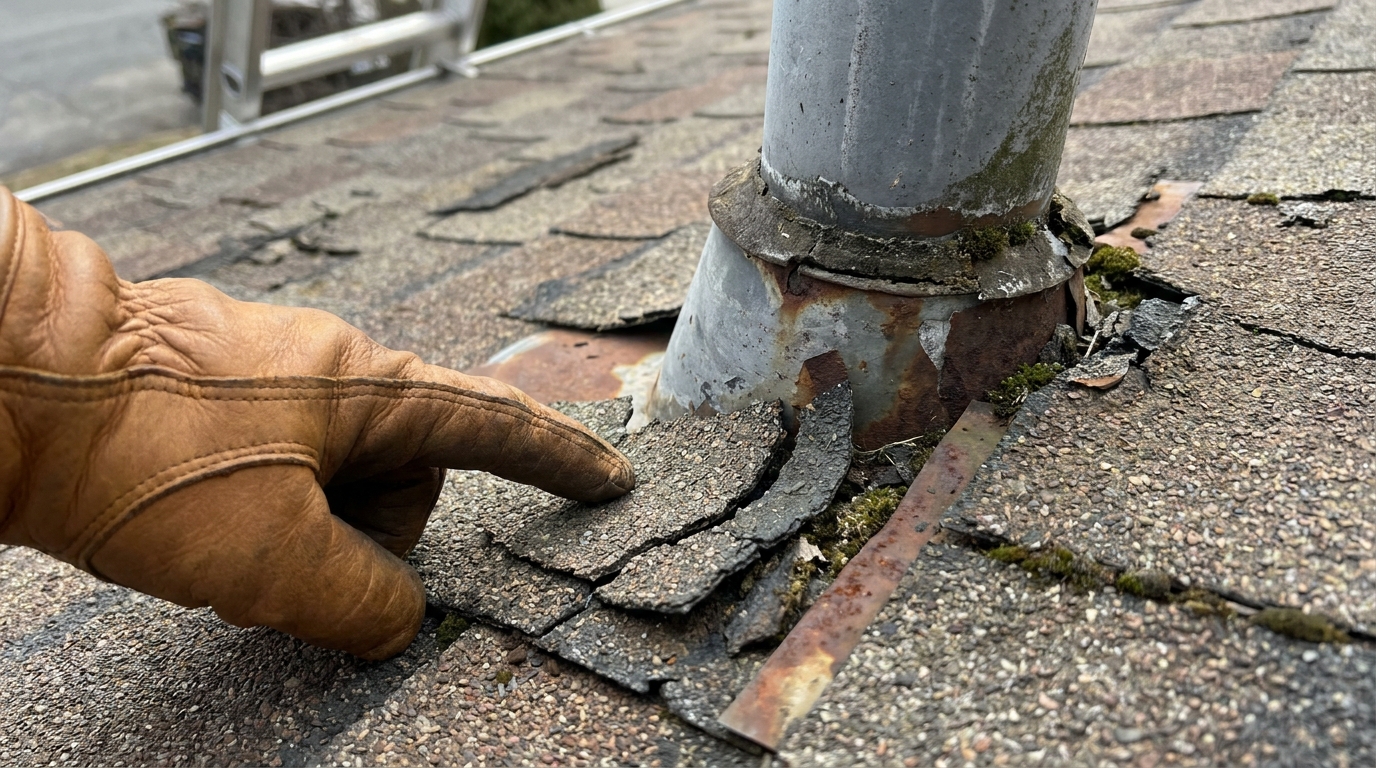
Repairs are typically a strong choice when you have a small number of missing or damaged shingles from wind, a minor flashing issue around a pipe boot, a localized leak near a valley, or a problem caused by a single penetrations (like a satellite mount). In these cases, replacing a handful of shingles or a flashing component can restore the roof’s water-shedding system effectively.
Flashing repairs are among the most valuable “bang for your buck” fixes. Chimneys, skylights, wall intersections, and pipe penetrations are common leak points. In Georgia, heavy rain can exploit even small flashing gaps. A quality repair often involves removing surrounding shingles, replacing step flashing/counterflashing as needed, installing proper underlayment, and re-shingling with correct nailing and sealing.
Ventilation and moisture corrections can also make repairs worthwhile. Some “leaks” are actually condensation issues from poor attic ventilation or bathroom fans venting into the attic. If the roof itself isn’t failing, improving ventilation (balanced intake and exhaust), sealing air leaks, and correcting ducting can prevent mold, wood rot, and insulation damage—without replacing the roof.
Real example: a “leak” that wasn’t a full-roof problem
Imagine a homeowner in the Atlanta metro notices a stain near a bathroom ceiling after heavy rain. A quick look shows shingles appear intact. A roofer finds the issue is a cracked pipe boot and a poorly sealed vent flange. The repair includes replacing the boot, re-sealing, and ensuring proper flashing integration. Total cost is a fraction of replacement, and the rest of the roof still has 10+ good years left. That’s a classic “repair wins” scenario.
What to insist on in a repair quote
- Specific scope (exact areas addressed, materials replaced, and method used)
- Photos before and after (especially for flashing and underlayment work)
- Matching strategy for shingles (color/brand availability and expectations)
- Warranty on workmanship for the repair itself
- Root-cause explanation (why it leaked and how the fix prevents recurrence)
A repair done “on top” of a problem—like smearing sealant around flashing without correcting the underlying detail—often fails quickly. In Georgia’s heat, many sealants degrade faster than homeowners expect, so proper mechanical flashing and correct installation matter more than caulk.
When Replacement Is the Better Investment (Even If Repair Seems Cheaper)
Replacement is the right call when the roof’s system is failing—meaning you’re not dealing with one isolated defect, but a broad decline in performance. Homeowners often delay replacement because a repair quote looks smaller in the moment. But if you’re repairing a roof that’s at end-of-life, you may end up paying repeatedly for leaks, interior damage, and emergency tarps—plus the eventual replacement anyway.
Multiple leaks or recurring leaks are a major red flag. If you’ve repaired one area and a different area starts leaking next season, that suggests widespread vulnerability. Water can travel along decking and rafters, so “new” leaks are sometimes just the roof revealing additional weak points as storms hit.
Widespread shingle deterioration also points toward replacement. Look for large areas of missing granules (you’ll often see granules in gutters), curling or cupping shingles, cracking, brittle edges, or shingles that no longer seal down. When the protective surface is gone, the roof becomes far more susceptible to wind lift and water intrusion.
Decking problems or sagging are another replacement signal. A roof should look flat and consistent. Sagging can indicate moisture-damaged decking or structural issues. In that case, replacing shingles alone won’t solve the problem, because the substrate beneath is compromised.
Real example: the “repair spiral”
A homeowner in North Georgia has a 19-year-old asphalt roof. After a storm, a roofer replaces a few shingles and reseals a flashing area. Six months later, a new leak appears near a valley. Another repair follows. Over two years, the homeowner spends several thousand dollars on patches, plus interior drywall and paint. When the roof is finally replaced, the decking shows multiple soft spots that had been slowly worsening. In hindsight, replacement earlier would have reduced both stress and total cost.
Replacement may improve insurability and resale
In many markets, an older roof can complicate insurance renewals or increase premiums, and homebuyers may request concessions if a roof looks near end-of-life. A new roof can reduce uncertainty during a sale and may be a strong “confidence booster” for buyers. If you’re within a few years of selling and the roof is clearly aging, replacement can be a strategic move—not just a maintenance expense.
Cost, Value, and Timing: How to Compare Options Like a Pro
To make the right call, you need more than a price tag—you need a value comparison. A $1,500 repair that buys you five reliable years may be a better deal than a $12,000 replacement today. But a $3,500 repair that buys you one year (or one storm season) is usually a poor investment. The goal is to calculate cost per year of remaining service and weigh risk.
Estimate remaining roof life realistically. If your roof is 12 years old and in decent condition, you might reasonably expect 8–12 more years with proper maintenance. If it’s 20+ years old with visible wear, remaining life may be 0–3 years depending on condition. Ask a roofer to explain what they see that supports their estimate—granule loss, brittleness, exposed fiberglass mat, repeated repairs, or ventilation issues.
Compare “repair now vs. replace later” using a simple framework:
- Repair cost + likely follow-up repairs + risk of interior damage
- Replacement cost minus any insurance contribution (if applicable)
- Time horizon: how long you plan to stay in the home
- Performance goals: energy efficiency, ventilation, durability, aesthetics
Timing matters in Georgia. Roof work can be done year-round, but spring and fall often offer more predictable weather for scheduling. After major storms, reputable contractors book up quickly and emergency pricing can rise. If your roof is nearing replacement, being proactive—before peak storm season—can help you control the timeline and contractor selection.
Don’t ignore hidden costs. A roof leak can damage insulation, drywall, framing, and flooring. Mold remediation can be expensive and disruptive. Even if the repair is “cheap,” the risk of a major leak during the next thunderstorm may tilt the decision toward replacement if the roof is already marginal.
Actionable tip: ask for a repair-to-replacement credit
If you’re on the fence, ask the contractor whether a paid repair can be credited toward a full replacement within a set period (for example, 6–12 months). Not every company offers this, but when they do, it reduces your risk of “wasting” repair dollars if replacement becomes necessary sooner than expected.
How to Get an Accurate Diagnosis (and Avoid Common Roofing Pitfalls)
Roofing decisions go wrong when homeowners rely on incomplete inspections or overly simplistic explanations. A proper diagnosis should connect symptoms (stains, missing shingles, granules) to causes (flashing design, underlayment failure, ventilation imbalance, storm impact). You don’t need to become a roofer, but you should know what a thorough evaluation looks like.
Start with a structured inspection. A reputable roofer should examine the roof surface, flashings, penetrations, ridges, valleys, and transitions. They should also check gutters and downspouts for granules and shingle debris. Ideally, they’ll look in the attic for signs of moisture, mold, daylight penetration, and ventilation conditions. This inside-out approach is especially important in humid Georgia, where condensation can masquerade as a roof leak.
Insist on photo documentation. Clear photos (or video) of problem areas help you compare contractor opinions and understand the scope. If two contractors recommend different solutions, photos let you ask better follow-up questions: Is the flashing actually separated? Are shingles creased or just lifted? Is decking soft? Are nails exposed? Documentation also helps if you need to file an insurance claim after storm damage.
Watch for “shortcut solutions”. In many cases, heavy caulking is a red flag. Sealants have a place, but they should support proper flashing—not replace it. Another pitfall is “spotting” shingles without addressing the underlayment or flashing detail beneath. A good contractor explains how water moves on a roof and how their fix restores the drainage plane.
Questions to ask every roofer before you decide
- What is the root cause of the issue, and how do you know?
- Is the problem localized or systemic? What evidence supports that?
- What would you do if this were your own home, and why?
- Will you inspect the attic for moisture and ventilation issues?
- What materials will you use (brand/type), and what warranty applies?
- If replacing, will you bring the roof up to current code requirements?
Repair vs. replacement checklist you can use today
Use this quick checklist to clarify your direction:
- Choose repair if: roof is relatively young, damage is isolated, no sagging/soft decking, and no pattern of recurring leaks.
- Lean replacement if: roof is near end-of-life, widespread granule loss/curling/cracking, multiple leaks, or structural concerns are present.
- Get a second opinion if: recommendations vary widely, the contractor won’t show photos, or the explanation relies on vague claims.
Finally, consider your stress tolerance. If you cannot risk another leak—because of finished ceilings, hardwood floors, or a busy schedule—replacement may be the better lifestyle decision even if repair looks cheaper on paper.
Conclusion: Make the Call With Evidence, Not Guesswork
Deciding whether to repair or replace your Georgia roof comes down to balancing roof age, the true scope of damage, and your plans for the home. Repairs make sense when problems are localized and the roof system is still fundamentally healthy—especially when the fix addresses flashing, underlayment, and ventilation correctly. Replacement becomes the smarter investment when deterioration is widespread, leaks are recurring, or the roof is nearing the end of its practical lifespan in Georgia’s demanding climate.
The most reliable path forward is an evidence-based decision: a thorough inspection (including the attic), clear photo documentation, and a scope of work that explains the “why,” not just the “what.” Compare options by cost per year of remaining service, factor in the risk of interior damage, and don’t be afraid to get a second opinion if something doesn’t add up.
Key takeaways:
- Repair is best for isolated issues on a roof with meaningful remaining life.
- Replacement is best for systemic wear, recurring leaks, or end-of-life shingles/decking.
- Georgia’s heat, humidity, storms, and tree cover can accelerate problems—diagnosis matters.
- Demand photos, root-cause explanations, and clear warranties before approving work.
- Use cost-per-year and risk (interior damage, insurability, resale) to guide the final decision.
If you approach the decision with the right questions and a clear framework, you can protect your home, avoid unnecessary spending, and choose the option that delivers real peace of mind—not just a temporary patch.