
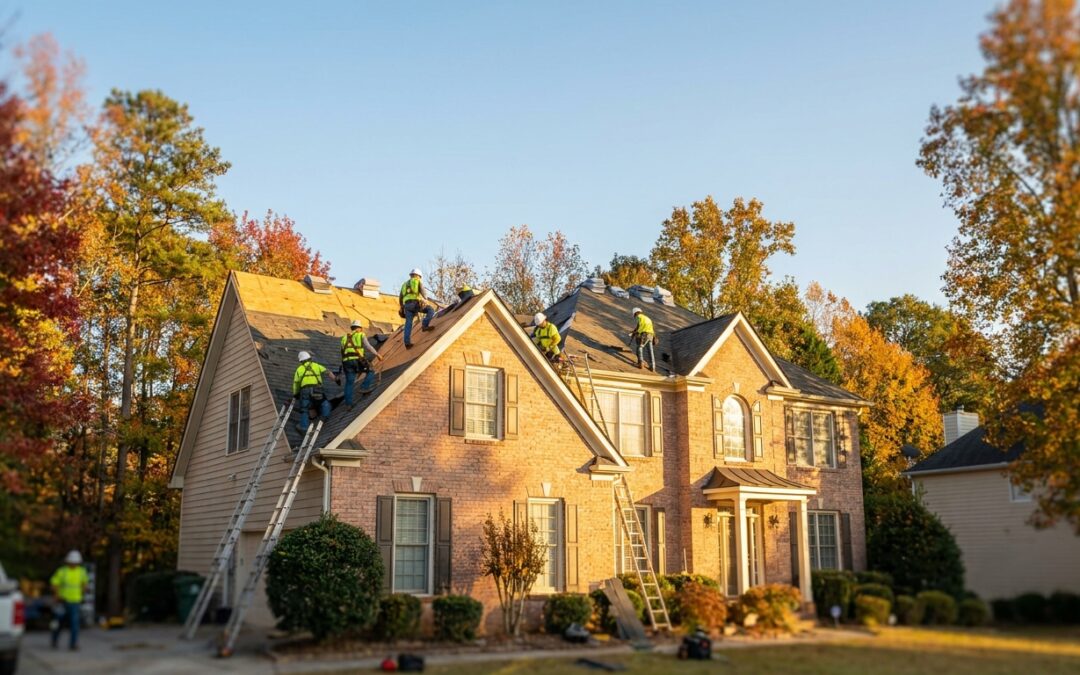
Replacing a roof in Georgia isn’t just a construction project—it’s a scheduling decision that can affect cost, installation quality, warranty compliance, and how smoothly your household or business operates during the work. Georgia’s climate is famously variable: humid summers, sudden thunderstorms, occasional winter freezes, and a long shoulder season that can feel perfect one week and chaotic the next. The “best” time of year to replace a roof depends on what you’re optimizing for—price, speed, material performance, or risk reduction. The good news is that with the right planning, you can get an excellent roof install in almost any season.
This guide breaks down Georgia-specific weather patterns, contractor availability, and practical homeowner considerations to help you choose the ideal window for your roof replacement. You’ll also find actionable tips for planning, real-world scenarios, and a clear checklist for deciding when to move forward.
How Georgia’s Climate Impacts Roof Replacement Timing
Georgia sits in a humid subtropical zone, which means roof work is strongly influenced by heat, humidity, and storm frequency. Unlike states with long snow seasons, Georgia’s limiting factors are more often heavy rain, lightning, extreme summer heat, and the occasional cold snap that affects adhesives, sealants, and shingle flexibility. Understanding these patterns helps you choose a season that supports safe, efficient installation.
For asphalt shingles—the most common residential roofing material—manufacturers typically prefer moderate temperatures for optimal sealing. Shingles rely on sun and warmth to activate the sealant strip that bonds each shingle to the one below. In Georgia, that bonding happens reliably much of the year, but very cold mornings or wet conditions can slow the process and require additional hand-sealing in certain areas (especially on steep slopes or high-wind zones).
Rain is the most immediate scheduling challenge. Even a well-organized roofing crew cannot install effectively during active rain, and wet decking can delay work if replacement plywood is needed. Georgia’s pop-up thunderstorms—especially in late spring and summer—can interrupt a project mid-day. Professional roofers plan around forecasts and protect exposed areas with underlayment and tarps, but frequent storms can still extend timelines.
Wind and severe weather matter too. Georgia can see strong storm systems, including tropical remnants that bring heavy rain and gusts inland. High winds are a safety issue for crews and can complicate the handling of large materials like underlayment rolls, plywood sheets, and metal panels. If your home is in a more wind-exposed area (open lots, ridge lines, coastal influence), you’ll want to prioritize seasons with more stable weather windows.
Why “Perfect Weather” Isn’t the Only Factor
Weather is only part of the equation. Contractor demand, material lead times, and insurance timelines can matter just as much. For example, if you’re replacing a roof due to storm damage, waiting for the “best season” may not be realistic—especially if leaks are causing interior damage. In that case, the best time is simply “as soon as you can get a qualified roofer scheduled,” with proper temporary protection in the meantime.
Also, Georgia’s climate varies by region. North Georgia can have colder winters and occasional ice, while Metro Atlanta sees more mild winters but high humidity. South Georgia tends to be hotter for longer stretches, and coastal areas may have stricter wind-uplift requirements. Your ideal replacement window may look slightly different depending on where you live and the roofing system you’re installing.
Fall: Often the Sweet Spot for Roofing in Georgia
For many Georgia homeowners, fall is the most comfortable and predictable time to replace a roof. Temperatures are generally moderate, humidity begins to ease, and storm frequency often decreases compared to peak summer. These conditions support efficient installation and help asphalt shingles seal properly without the extremes of heat or cold.
Another fall advantage is that you’re preparing your home for winter rains and the occasional freeze. A new roof installed in fall can reduce the risk of winter leaks, especially around valleys, chimneys, skylights, and flashing transitions where older roofs commonly fail. If your roof is already near the end of its life, fall replacement can be a proactive move that prevents emergency repairs later.
Fall scheduling, however, can be competitive. Many homeowners aim for the same window, so reputable roofing companies may book out weeks in advance. If you want a fall install, you’ll typically need to start the estimate and decision process earlier—often late summer—so you can secure your place on the calendar.
Leaf debris is another practical consideration. In wooded neighborhoods, falling leaves can clog gutters and valleys, and the roof replacement process itself may stir up debris. A good roofer will clean up thoroughly, but you should plan to inspect and clean gutters after installation, especially if your home is surrounded by mature trees.
Real Example: Preventing Winter Leak Season
Consider a homeowner in Marietta with a 17-year-old architectural shingle roof showing granule loss and occasional minor leaks during heavy rain. Waiting until spring might mean enduring months of intermittent water intrusion, risking drywall stains and mold. Replacing the roof in October allows the crew to work in moderate temperatures, reduces rain delays, and provides a fresh, watertight system before winter weather arrives.
Fall Tips for a Smooth Project
- Schedule early: request inspections and quotes in August or September to lock in a fall slot.
- Ask about ventilation: cooler weather is a great time to address attic ventilation upgrades that can improve shingle life.
- Plan for shorter daylight: crews may start earlier and wrap up sooner as days shorten.
Spring: Great Conditions, but Watch the Rain
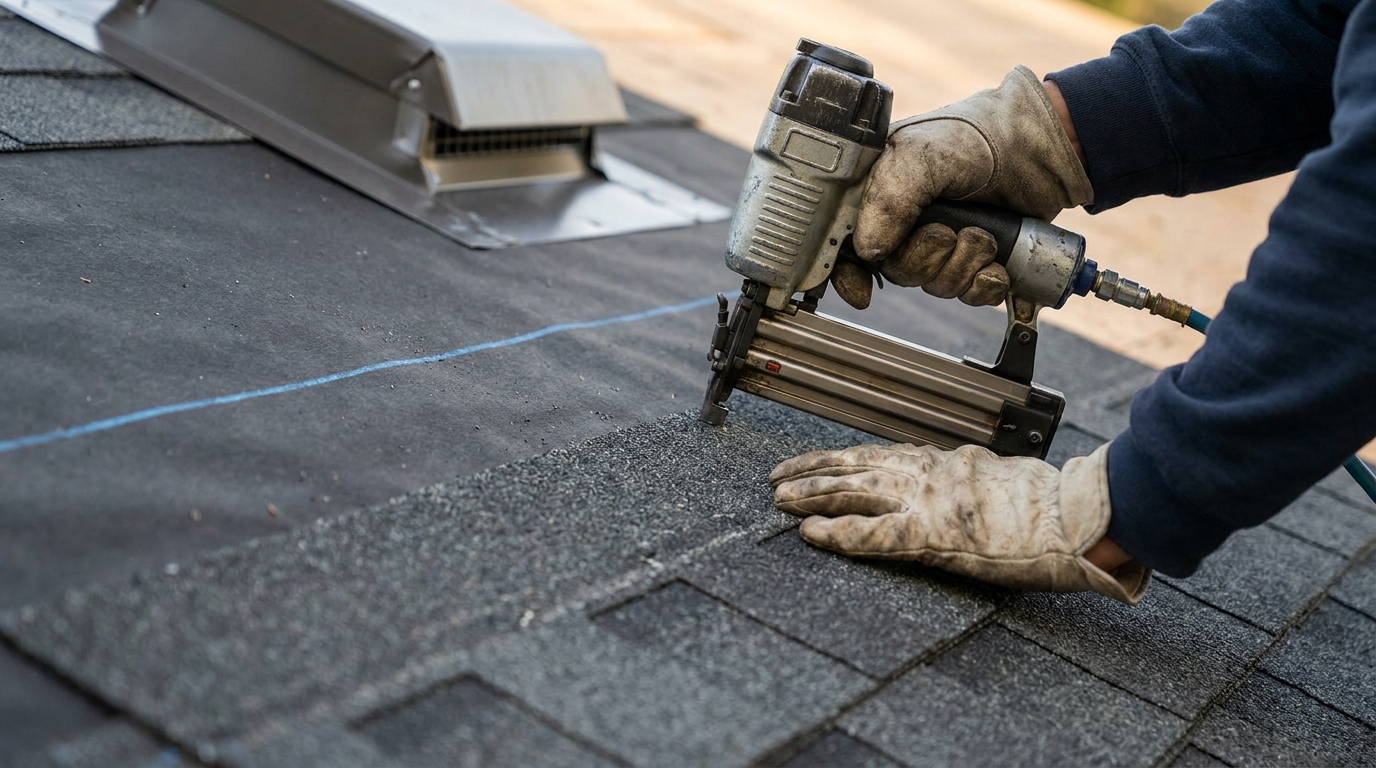
Spring is another strong contender for roof replacement in Georgia. Temperatures are typically mild, which is ideal for both crew comfort and material handling. Shingles are pliable, sealant strips activate well, and installation can move quickly when weather cooperates.
The biggest spring challenge is rainfall. Georgia can experience frequent rain events and fast-changing forecasts in spring, which can delay tear-off and installation. Professional roofers manage this by planning the project in phases, using high-quality underlayment, and monitoring weather windows closely. Still, if your schedule is tight—such as coordinating a home sale or a move—spring rain can introduce uncertainty.
Spring is also when many homeowners discover roof problems. After winter, you may notice missing shingles, lifted flashing, or water stains that become visible after heavy rains. This can increase demand for roofing services, especially after major storm events. If a hail or windstorm hits your area, contractor schedules can fill quickly.
From a budgeting standpoint, spring pricing can be steady but may rise during periods of high demand. Material costs can also fluctuate year-round, so the best approach is to collect estimates early and ask your contractor about lead times for your preferred shingle color or specialty materials.
Actionable Advice for Spring Replacements
If you’re aiming for spring, focus on flexibility and preparation. Have your contractor inspect the decking and attic ventilation in advance so there are fewer surprises once the roof is opened. If you suspect you’ll need plywood replacement, ask for pricing per sheet in the estimate so you can budget accurately.
- Build a weather buffer: avoid scheduling major events (like hosting guests) the same week as your roof job.
- Confirm protection plans: ask how the crew will secure the roof if rain hits mid-project.
- Get permits lined up: if your city or county requires permits, ensure your roofer handles them early.
Summer: Fast Scheduling Isn’t Guaranteed, and Heat Matters
Summer is the busiest season for many roofing companies in Georgia, largely because homeowners prefer to tackle major exterior projects when school is out and the chance of winter weather is off the table. However, summer also brings the most challenging working conditions: high heat, high humidity, and frequent afternoon thunderstorms. These factors can influence both crew safety and project timing.
Extreme heat affects materials and installation practices. Asphalt shingles can become softer in high temperatures, which increases the risk of scuffing or damage if crews aren’t careful with foot traffic. Adhesives and sealants may cure faster, which can be helpful, but installers must manage materials properly to avoid issues like over-sealing in the bundle or distortion during handling. A professional crew adapts by starting earlier in the day, staging materials in shaded areas, and using best practices for hot-weather installs.
Thunderstorms are the other major variable. Georgia’s summer storms can be intense and unpredictable, with lightning and heavy downpours that stop work immediately. Even if the forecast looks clear in the morning, an afternoon storm can force an early shutdown. If your roof replacement is large or complex—multiple slopes, steep pitch, skylights, chimneys—these interruptions can stretch a “two-day job” into several days.
On the upside, summer can be a practical time if you need a quick response after storm damage. Roofing companies are often in full operation with large crews, and material supply chains may be more active. If you’re dealing with an active leak, summer replacement may be the safest path to prevent further interior damage—just plan for weather delays and make sure your contractor has a clear protection strategy.
Real Example: Managing Heat and Storm Delays
A homeowner in Macon schedules a roof replacement in July due to widespread granule loss and a sagging section near a valley. The roofer begins at sunrise, completes tear-off and underlayment before noon, and plans shingle installation in stages to avoid afternoon storms. A thunderstorm delays work on day two, but because the underlayment and flashing were installed correctly, the home stays protected. The project finishes on day three with no interior water exposure.
Summer Tips to Reduce Risk
- Ask about start times: early starts reduce heat stress and improve productivity.
- Protect landscaping: summer heat can stress plants—request tarps and careful debris handling.
- Confirm ventilation plans: improving attic ventilation can lower cooling costs and extend shingle life.
Winter: Possible in Georgia, with a Few Important Caveats
Winter roof replacement in Georgia is more feasible than many homeowners assume. While some regions experience freezing temperatures, much of the state has plenty of workable winter days—especially in the central and southern areas. That said, winter installs require more attention to temperature thresholds, moisture control, and manufacturer guidelines.
The primary concern is how cold affects asphalt shingles and sealing. In colder temperatures, shingles can become more brittle, making them easier to crack during handling. Sealant strips may take longer to bond, which can leave shingles more vulnerable to wind uplift until they fully seal. Experienced roofers can mitigate this by using proper fastening patterns, applying hand-sealant where needed, and scheduling work during warmer parts of the day.
Winter can also be a strategic time from a scheduling and pricing perspective. Because demand is often lower, you may have more flexibility in choosing dates, and some contractors may offer more competitive pricing or faster turnaround. If your roof needs replacement and you don’t want to wait months for a peak-season slot, winter can be a practical option—especially if your contractor has a strong process for cold-weather installations.
Moisture management is another winter factor. Morning dew, frost, or lingering dampness can make roof surfaces slippery and unsafe. A reputable roofing company will not rush onto a slick roof; they’ll wait for safe conditions. This may slightly extend the timeline, but it protects both the crew and the quality of the work.
When Winter Replacement Makes the Most Sense
Winter is often the best choice when you’re dealing with urgent issues and can’t risk further water intrusion, such as:
- active leaks that persist despite repairs
- storm damage with missing shingles or compromised flashing
- roof decking rot discovered during an inspection
- insurance claim timelines that require prompt action
In these situations, the “best time” is the time that prevents additional damage. A well-installed roof in winter is far better than a failing roof waiting for spring.
How to Choose the Best Time for Your Home, Budget, and Goals
Ultimately, the best time of year to replace a roof in Georgia depends on your priorities and your roof’s current condition. If your roof is stable and you’re planning proactively, you can choose an ideal season like fall or spring. If your roof is failing, the best time is sooner—because water damage spreads quickly and can turn a roofing project into a larger restoration job.
Start by evaluating urgency. Signs that you should move forward regardless of season include recurring leaks, widespread shingle loss, soft spots in the decking, sagging rooflines, and interior staining that reappears after each storm. If you’re unsure, schedule a professional inspection and ask for photo documentation. A trustworthy roofer will show you the problem areas and explain what can wait versus what can’t.
Next, consider your budget strategy. Roofing costs can vary based on demand, material pricing, and the complexity of your roof. If you want the best chance at competitive pricing and flexible scheduling, winter and early spring can be advantageous. If you prioritize the most stable working conditions and a smooth, predictable installation, fall often wins. If you need fast action after storm season, summer may be unavoidable—just plan carefully for weather interruptions.
Finally, align timing with life logistics. Roof replacement is noisy and disruptive for a day or two (sometimes longer for large roofs). Think about pets, remote work, childcare, and parking. If you have an HOA, confirm any color or material restrictions before ordering materials. If you’re selling your home, coordinate the replacement so you can market the new roof effectively and provide warranty documentation to buyers.
A Practical Decision Framework
Use these questions to narrow down the best season for your roof replacement:
- Is the roof leaking now? If yes, prioritize speed over season.
- How old is the roof? If it’s near the end of its expected lifespan, plan proactively for fall or spring.
- Do you have storm damage? If yes, coordinate quickly with insurance and a roofer who can document damage.
- Do you need special materials? If yes, ask about lead times—some colors or systems may take longer to arrive.
- Is your schedule flexible? Flexibility helps you take advantage of good weather windows in any season.
Actionable Tips to Get the Best Outcome (Any Season)
No matter when you replace your roof in Georgia, these steps improve quality and reduce surprises:
- Get a detailed written estimate: it should specify underlayment type, flashing scope, ventilation, cleanup, and warranty terms.
- Ask about tear-off vs. overlay: full tear-off is usually best for long-term performance and deck inspection.
- Confirm ventilation and insulation: proper airflow helps prevent heat buildup and moisture issues that shorten roof life.
- Request weather contingency planning: understand how the crew protects your home if rain hits mid-project.
- Document everything: keep invoices, permits, product information, and warranty paperwork for resale value and peace of mind.
Also consider upgrading key components during replacement. For example, improved ridge ventilation, high-quality ice-and-water shield in valleys, and robust flashing details around chimneys and sidewalls often deliver more real-world leak prevention than simply choosing a more expensive shingle. A reputable roofer will explain where upgrades matter most for Georgia’s wind and rain.
Conclusion: The Best Time Is When Planning Meets Practicality
In Georgia, fall is often the best all-around season to replace a roof thanks to moderate temperatures, fewer extreme weather days, and strong conditions for efficient installation. Spring is a close second, offering comfortable working conditions but with a higher chance of rain-related delays. Summer can work well—especially for urgent replacements—but heat and thunderstorms require careful scheduling and experienced crews. Winter is absolutely possible in much of Georgia, and it can be a smart choice when you need faster availability or when your roof can’t safely wait.
The most important takeaway is this: the “best time of year” is the time that balances your roof’s condition, your risk tolerance, and your goals. If your roof is aging but stable, plan ahead for a fall or spring replacement and book early. If you’re seeing leaks, missing shingles, or structural concerns, don’t wait for a perfect season—move forward with a qualified Georgia roofing contractor who can protect your home and install the system correctly in the conditions you have.
When you choose timing strategically, ask the right questions, and prepare your household for the project, you’ll get a smoother installation, a longer-lasting roof, and greater confidence every time the forecast calls for heavy rain.