
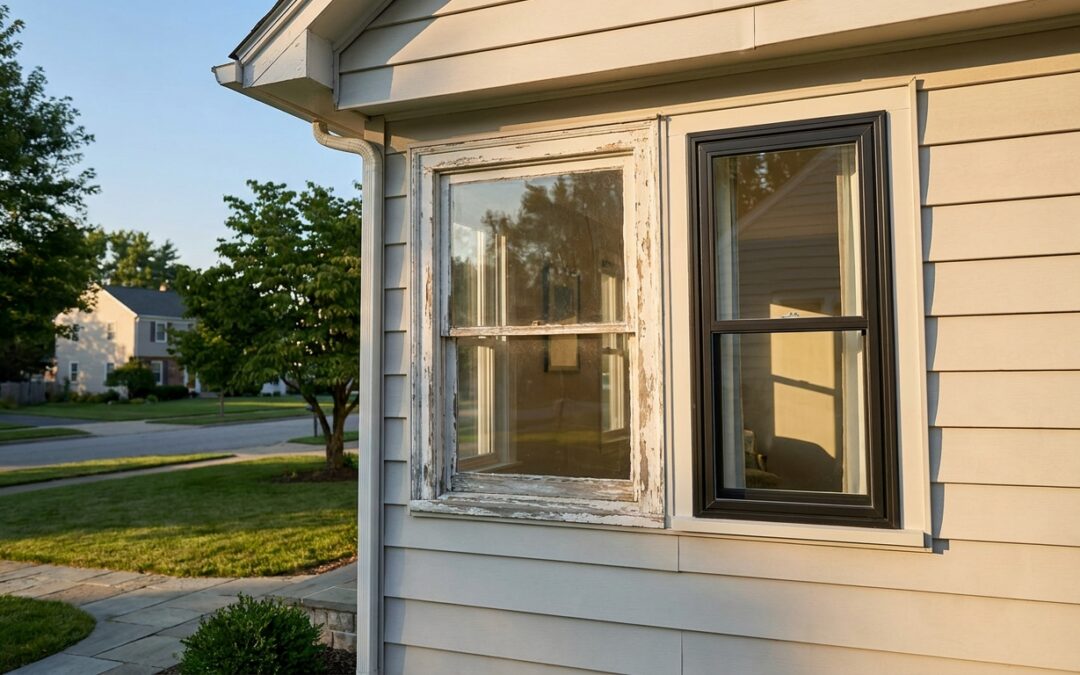
You don’t have to feel a chilly draft to know your windows are underperforming. In many homes, the biggest warning signs show up as higher energy bills, stubborn condensation, fading floors, or windows that simply won’t open and close the way they should. Because these symptoms often develop slowly, it’s easy to normalize them—until a heat wave, cold snap, or storm makes the problem impossible to ignore.
Replacing windows is a major decision, and it’s smart to be sure you truly need it before you invest. The good news is that failing windows leave a trail of clues—some obvious, some subtle. This guide walks through the most reliable signs your windows may be ready for replacement, why those signs matter, and how to confirm what’s really going on before you call a contractor.
Whether you live in a decades-old home with original wood windows or a newer build with builder-grade units, the goal is the same: keep comfort in, keep moisture out, and keep your home efficient and secure. Let’s look beyond drafts and get specific about what to watch for.
1) Comfort problems you can’t “thermostat” away
One of the clearest signals that windows are failing is when comfort becomes inconsistent from room to room. If you’re constantly adjusting the thermostat but still feel hot spots in summer or cold zones in winter, your windows may be letting heat transfer happen far too easily. Even without a noticeable draft, glass and frames can radiate cold inward or allow solar heat gain that overwhelms your HVAC system.
Pay attention to how certain rooms behave compared to others. A south- or west-facing room that becomes unlivable in the afternoon, or a north-facing bedroom that never seems to warm up, can point to glazing that lacks modern low-E coatings or frames that no longer seal properly. Over time, seals compress, weatherstripping degrades, and tiny gaps form—enough to make a room feel “off” without any obvious breeze.
Another comfort clue is how your home responds to weather changes. If a mild temperature shift outside causes a big change inside, your building envelope is likely leaking energy. Windows are often the culprit because they are thinner than walls, have moving parts, and depend on gaskets and seals that wear out. When windows lose their insulating value, your HVAC runs longer, cycles more often, and struggles to maintain stable temperatures.
Practical ways to confirm comfort-related window issues
You don’t need specialized tools to start investigating. On a cold day, stand near different windows and note whether you feel a “cold radiance” even when the window is shut. On a hot sunny day, note which windows create a strong heat “beam” that warms furniture and floors. These patterns often correlate with older glass, failed seals, or poor window orientation and shading.
For a more data-driven check, use an inexpensive infrared thermometer to compare surface temperatures of the glass and frame to nearby interior walls. A big difference often indicates poor insulation performance. You can also schedule a home energy audit; many auditors use blower door testing and thermal imaging to identify leakage and heat transfer around windows.
- Actionable tip: Track comfort complaints by room for two weeks (time of day, weather, and HVAC setting). Patterns help determine whether you need targeted replacement or whole-home upgrades.
- Actionable tip: If one room is consistently uncomfortable, check window size, orientation, and shading first—then evaluate whether glazing upgrades (low-E, better U-factor/SHGC) would solve it.
2) Visible moisture issues: condensation, fogging, and water damage
Moisture is one of the most important “beyond drafts” warning signs because it can lead to mold, rot, and indoor air quality problems. Some condensation is normal in certain seasons—especially if indoor humidity is high—but persistent moisture on or inside windows is a red flag that the window system is not managing temperature and sealing the way it should.
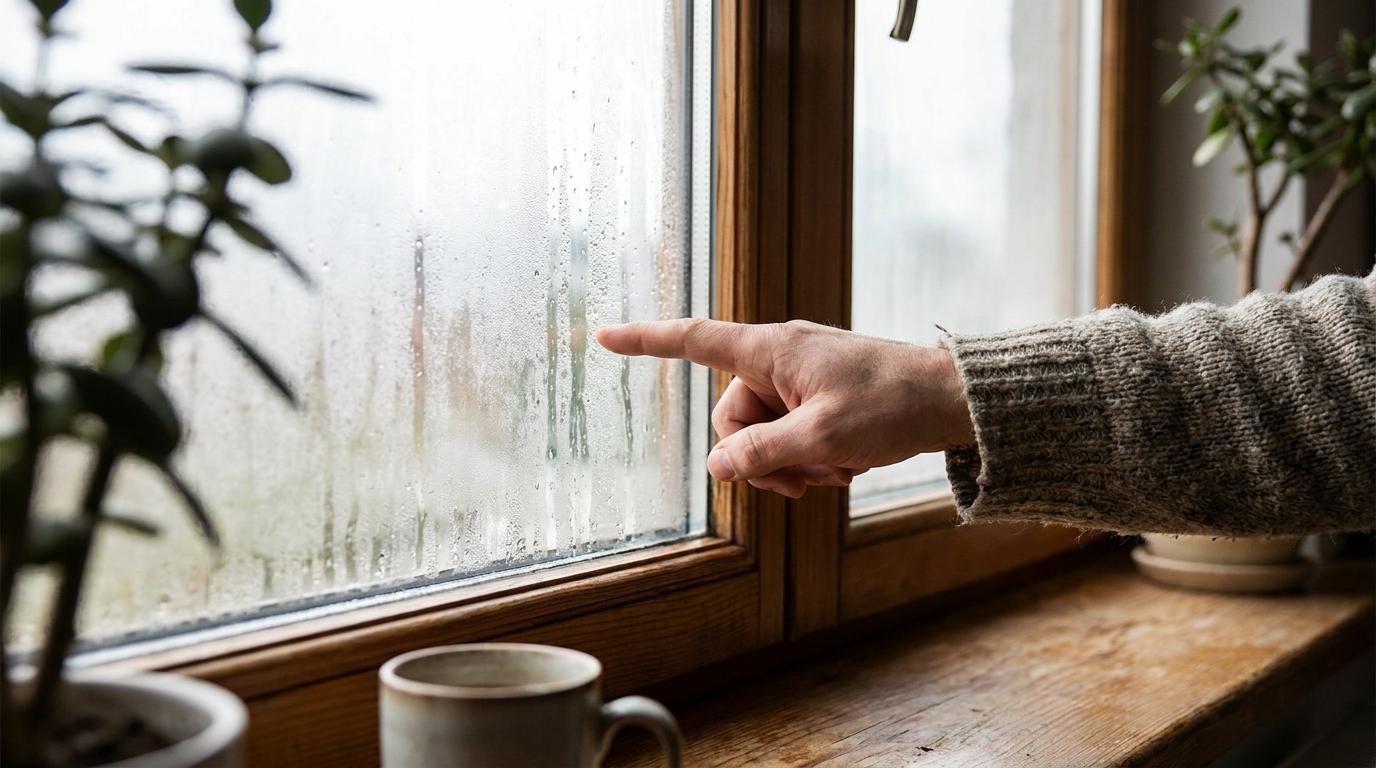
Start by distinguishing where the moisture appears. Condensation on the interior glass surface often means warm, humid indoor air is hitting a cold pane. That can happen when windows have poor insulating value, when indoor humidity is too high, or both. Condensation between panes (or a foggy, milky look that won’t wipe away) usually indicates a failed insulated glass seal. When that seal fails, the window loses much of its insulating performance and may allow moisture-laden air into the space between panes.
Water staining around the window—on drywall, trim, or the sill—suggests bulk water intrusion. That can be caused by failing caulk, improper flashing, clogged weep holes, or a window that has warped and no longer sheds water correctly. Even small leaks can damage framing over time, especially in older homes where repeated wetting and drying cycles accelerate wood decay.
Real-world examples of moisture-related window failure
Example 1: A homeowner notices paint bubbling on the lower corners of a window trim every winter. They repaint twice, but the problem returns. The underlying issue is condensation pooling on the sill because the window’s glass is too cold and the interior humidity is high. Replacing with modern double- or triple-pane low-E glass (and improving ventilation) stops the recurring damage.
Example 2: A bathroom window shows fog between panes year-round. Even after running the exhaust fan, the fog doesn’t clear. That’s a classic sign of a failed seal in an insulated glass unit. Replacement restores clarity, improves insulation, and reduces the cold surface that triggers interior condensation.
Actionable steps before you replace
If you see interior condensation, measure indoor humidity with a simple hygrometer. In many climates, keeping indoor relative humidity around 30–50% (seasonally adjusted) reduces condensation risk. Make sure bathroom and kitchen exhaust fans vent outdoors and are used consistently. If condensation persists even with reasonable humidity, your windows may be too inefficient to keep interior glass temperatures above the dew point.
If you see staining or active leaks, don’t assume the glass is the only issue. Look for cracked exterior caulk, missing flashing, or siding details that direct water toward the window. A reputable window professional can evaluate whether repair is possible, but if the frame is deteriorating or the window design is outdated, replacement is often the most reliable long-term fix.
- Actionable tip: Wipe the window dry and place a paper towel at the sill during a rain event. If it gets wet, you likely have bulk water intrusion that needs prompt attention.
- Actionable tip: If fog is between panes, replacement of the insulated glass unit (or the full window) is typically required—seal failure is not a “caulk and forget” problem.
3) Rising energy bills and an HVAC system that works too hard
Energy costs are one of the most measurable signals that windows may need replacing. Older single-pane windows, early-generation double-pane units, and windows with failed seals can dramatically increase heat loss in winter and heat gain in summer. Because windows are a major part of the building envelope, their performance directly impacts how often your furnace, heat pump, or air conditioner has to run.
Many homeowners assume higher bills are only due to utility rate increases, but the pattern over time matters. If your usage is rising year-over-year despite similar weather and similar household habits, your home may be losing efficiency. Windows can degrade gradually: weatherstripping compresses, sashes warp, balances weaken, and seals fail. Each small loss adds up to longer HVAC run times and more cycling.
It’s also worth noting that inefficient windows can create “thermostat wars” in the home. Someone turns the heat up because the living room feels cold, but the bedrooms become too warm. Or the AC is lowered to make a sunny room tolerable, and the rest of the house feels chilly. That mismatch often points to poor window performance and uneven solar gain rather than an HVAC sizing issue alone.
How to connect energy symptoms to windows (without guessing)
Begin by comparing utility bills across seasons and years. If winter heating costs are disproportionately high, heat loss is likely; if summer cooling costs spike, solar heat gain and air leakage are suspects. Next, look at the home’s “weakest links”: large picture windows, older sliders, and windows with visible wear around sash tracks and meeting rails.
A home energy audit is one of the best ways to pinpoint whether windows are a top priority. Auditors can identify air leakage paths around frames and quantify insulation gaps. If the audit shows significant leakage at windows, replacing or properly re-installing them (with correct flashing and air sealing) can deliver meaningful savings and comfort improvements.
- Actionable tip: Ask for window performance metrics when shopping: U-factor (insulation), SHGC (solar heat gain), and air infiltration ratings. Match them to your climate and window orientation.
- Actionable tip: If your HVAC is nearing end-of-life, consider window replacement first. Better windows can reduce heating/cooling loads and may allow smaller, more efficient HVAC equipment later.
4) Operational and structural problems: sticky sashes, rot, and failing hardware
Windows should open, close, and lock smoothly. When they don’t, it’s more than an inconvenience—it can indicate structural movement, water damage, or worn-out components that compromise performance and safety. A window that sticks may be swollen from moisture, warped from sun exposure, or out of square due to settling. These conditions often create gaps that leak air and water even if you don’t immediately feel a draft.
Wood rot is another major indicator. Soft, crumbling sills; peeling paint that returns quickly; and dark staining at corners can all point to chronic moisture exposure. Once rot sets in, repairs can be temporary unless the underlying water pathway is corrected. In some cases, rot is localized and can be repaired, but widespread deterioration often makes replacement the most cost-effective and reliable option.
Don’t overlook hardware failure. Broken locks, bent tracks, failed balances, and cracked vinyl frames can prevent a tight seal. A window that won’t lock properly is especially concerning because it affects security and can allow the sash to shift under wind pressure, increasing air and water infiltration.
Safety and egress: when “annoying” becomes urgent
In bedrooms, windows may serve as required emergency egress. If a bedroom window is painted shut, jammed, or difficult to open quickly, that’s a serious safety issue. Even if you’re not planning a full remodel, replacing or restoring proper function should move to the top of your list.
Operational problems also impact everyday living. If you avoid opening windows because they’re hard to use, you lose natural ventilation options that can help manage indoor humidity and air quality. Modern replacement windows can offer smoother operation, improved screens, and better seals that make ventilation practical again.
What to inspect (and what it usually means)
- Soft wood at sill or lower frame: Likely chronic water intrusion; replacement often recommended if rot is extensive.
- Cracked vinyl or separated corners: Structural failure; replacement typically needed.
- Windows won’t stay open: Failed balances; repair may be possible, but older units may not justify the cost.
- Locks don’t align: Window out of square, frame movement, or hardware wear; may indicate deeper issues.
- Painted shut or swollen shut: Moisture exposure or poor maintenance; evaluate for rot and air leakage.
If multiple windows show the same operational issues, it often signals age-related wear across the home rather than a one-off defect. That’s when homeowners frequently shift from piecemeal repairs to a planned replacement strategy.
5) Noise, security, and UV damage: the “quality of life” signals
Not all window problems show up on a thermometer or a utility bill. Sometimes the most compelling reasons to replace windows are quality-of-life upgrades: less outside noise, better security, and protection for your interior finishes. If your home feels louder than it should, or if you’ve noticed fading floors and furniture near windows, your glazing may be outdated.
Sound control is a common complaint in neighborhoods with traffic, trains, schools, or busy commercial areas. Older windows—especially single-pane or loose-fitting units—do little to reduce sound transmission. Even many basic double-pane windows can underperform if air leakage is high. Modern windows with improved seals, laminated glass options, and better frame construction can noticeably reduce noise, particularly high-frequency sounds like tire hiss and voices.
Security is another factor. Windows that don’t lock properly, have flimsy latches, or use older glass can be easier to compromise. While no window is “break-in proof,” modern hardware, reinforced frames, and laminated glass options can increase resistance and buy time—often enough to deter opportunistic intruders.
UV fading and interior damage
If you see uneven fading on hardwood floors, rugs, artwork, or upholstery near windows, UV radiation is likely a contributing factor. Many older windows provide minimal UV blocking. Modern low-E coatings can reduce UV transmission significantly while still allowing natural light. That helps preserve interior finishes and can reduce the need for frequent refinishing or replacement of sun-damaged items.
Glare is another subtle sign. If you rely on heavy curtains or blinds all day because sunlight is harsh and uncomfortable, it may be worth exploring glass packages with appropriate visible light transmittance and SHGC for your orientation. The right window selection can maintain brightness while reducing glare and overheating.
Actionable improvements to consider when replacing for comfort and protection
- For noise: Ask about laminated glass, dissimilar pane thickness, and strong air infiltration ratings (tight seals matter).
- For security: Look for multi-point locking where appropriate and robust hardware; consider tempered or laminated glass in vulnerable locations.
- For UV: Choose low-E glass designed for your climate; pair with proper shading for west-facing windows.
These “secondary” benefits often become the primary reason homeowners feel satisfied after a window replacement project—because they improve daily life, not just energy performance.
6) When replacement makes more sense than repair (and how to plan it)
Some window issues can be repaired cost-effectively: replacing weatherstripping, re-caulking exterior joints, fixing balances, or adjusting hardware. But there’s a tipping point where repairs become repetitive, expensive, or unable to address the root problem—especially when the window’s core design is inefficient or the frame is deteriorating.
A practical way to decide is to evaluate the window as a system: glass, frame, seals, installation, and surrounding water management. If the insulated glass seal has failed, the frame is warped, and you’re also dealing with water staining, you may be stacking repairs that still won’t deliver modern performance. Replacement can reset the system with better materials, better glazing, and a properly flashed and sealed installation.
Age is a factor, but not the only one. A well-maintained older window can still function, while a poorly installed newer window can fail early. In general, if your windows are 20+ years old and you’re seeing multiple symptoms (fogging, operational problems, moisture damage, and rising bills), a replacement plan is usually more cost-effective than ongoing patchwork.
Planning a smart replacement strategy
Start by prioritizing. You don’t always need to replace every window at once. Many homeowners begin with the worst-performing or most problematic areas: rooms with persistent condensation, windows with rot, or elevations that take the brunt of wind-driven rain. Another common strategy is to replace by exposure—west and south elevations first if overheating and UV damage are major issues.
Next, choose performance specs that match your goals and climate. In cold climates, a lower U-factor helps reduce heat loss and interior condensation risk. In hot climates, a lower SHGC helps control solar heat gain. In mixed climates, you may want a balanced approach, sometimes even varying glass packages by orientation. A good window professional should be able to explain these tradeoffs in plain language.
Finally, focus on installation quality. Even the best window can underperform if it’s not properly flashed, air sealed, and integrated with the water-resistive barrier. Ask installers about their approach to flashing, whether they use backer rod and sealant where appropriate, and how they handle sill pan details to manage water. A strong warranty is helpful, but good installation prevents problems in the first place.
Questions to ask a window contractor before committing
- Will you evaluate the rough opening and surrounding framing for water damage before installing?
- How do you flash and seal the window to prevent leaks and air infiltration?
- What are the window’s U-factor, SHGC, and air infiltration ratings?
- Is the quote for insert replacement or full-frame replacement—and why?
- How will you address trim, interior finishes, and exterior cladding integration?
Taking a planning-first approach helps ensure your investment solves the problems you’re actually experiencing—comfort, moisture, noise, and durability—rather than just changing the look of the windows.
Conclusion: Key takeaways to know when it’s time
Drafts get the most attention, but they’re only one symptom of windows that are no longer doing their job. If your home has persistent comfort imbalances, recurring condensation or fog between panes, unexplained energy cost increases, or windows that stick, leak, or show rot, those are strong indicators that replacement should be on the table. Add in quality-of-life issues like outside noise, UV fading, and security concerns, and the case often becomes even clearer.
The most reliable path forward is to connect symptoms to causes. Track which rooms feel uncomfortable and when, measure indoor humidity, look for patterns of moisture damage, and consider an energy audit if you want objective data. When multiple issues overlap—especially moisture and structural deterioration—replacement is usually more durable and cost-effective than repeated repairs.
Ultimately, good replacement windows should do more than “stop a draft.” They should stabilize indoor temperatures, reduce condensation risk, protect your home from water intrusion, lower HVAC strain, and make your living spaces quieter, brighter, and more secure. If you’re seeing several of the signs above, a professional evaluation can help you prioritize the right windows, the right performance specs, and the right installation approach—so the fix lasts for decades.