
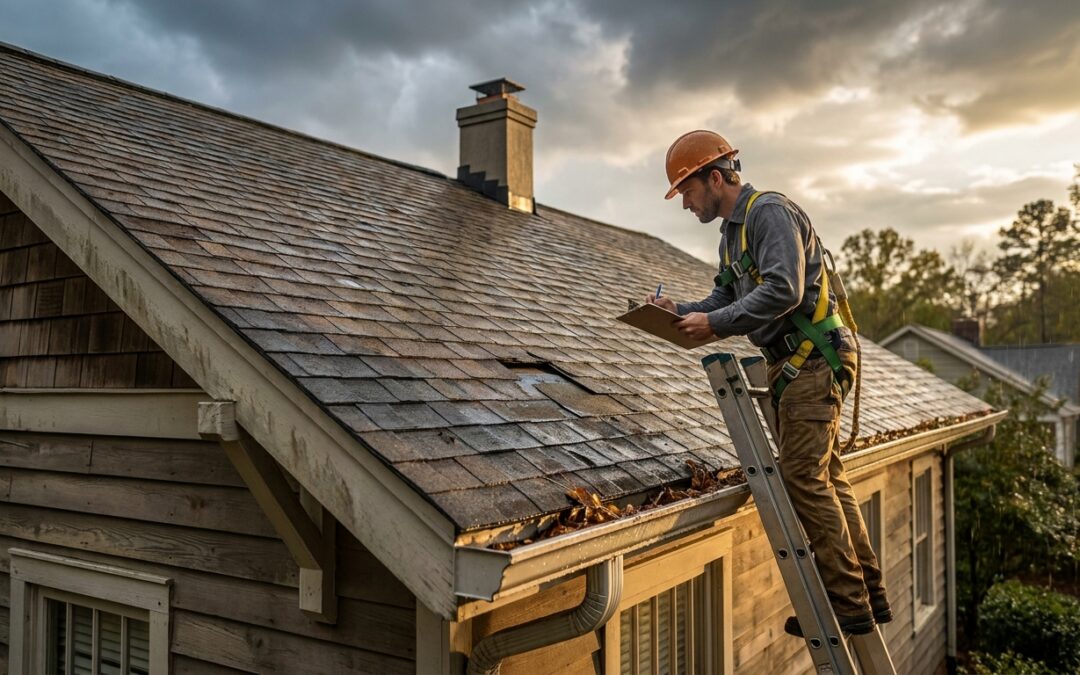
A roof doesn’t usually fail in one dramatic moment. More often, it quietly loses ground—one lifted shingle, one tiny flashing gap, one slow drip that shows up only after a heavy Georgia downpour. Because the damage looks “small,” it’s easy to put off. But the real cost of ignoring minor roof repairs isn’t the price of a shingle or a tube of sealant—it’s the chain reaction that follows when water, heat, and time get to work. In the South, where humidity, UV exposure, wind, and sudden storms are part of normal life, that chain reaction can move faster than many homeowners and property managers expect.
This guide breaks down the hidden financial and practical consequences of delaying small roof fixes, what those problems look like in real homes and buildings, and how to stop them early. Whether you own a single-family home in Gainesville, manage a multi-family property in the Atlanta Metro, or oversee commercial space anywhere in the Southeast, the principles are the same: small roof issues rarely stay small.
1) Small Roof Problems Rarely Stay Small
Roofs are designed as systems. Shingles, underlayment, decking, flashing, ventilation, and gutters all work together to shed water and manage heat. When one component is compromised—even slightly—other parts start carrying loads they weren’t designed to handle. That’s why a “minor” issue can expand into a major repair with surprising speed.
In Southern weather, the acceleration is real. Afternoon thunderstorms push wind-driven rain under lifted shingles. Hot sun bakes and cracks exposed materials. Humidity keeps damp areas from drying quickly, increasing the chance of mold and wood rot. And if your roof is older, a small breach can be the tipping point that turns a stable roof into a roof that’s actively deteriorating.
Another reason small issues grow is that roof damage is often invisible from the ground. A shingle can look fine from the driveway but be creased, unsealed, or missing nails. Flashing can be separated by a hairline gap that only leaks under certain wind angles. By the time you see a ceiling stain or peeling paint, the leak has typically been active longer than you think.
Common “small” issues that can trigger big repairs
Many expensive roof failures start with problems that seem manageable—or easy to ignore. Watch for these early warning signs:
- Loose, lifted, or missing shingles after wind events
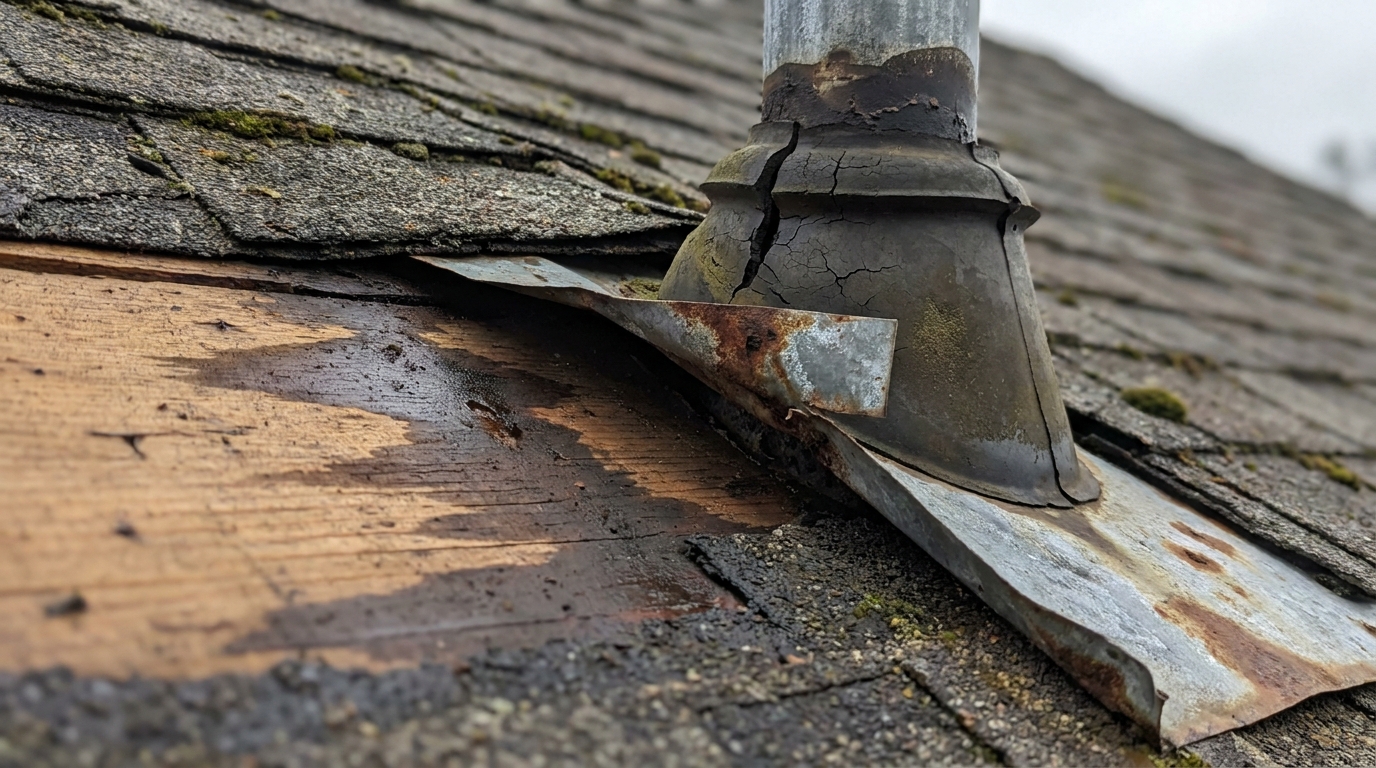
- Cracked pipe boot around plumbing vents
- Separated flashing at chimneys, walls, skylights, and valleys
- Granule loss collecting in gutters or downspout outlets
- Small punctures from limbs, foot traffic, or satellite mounts
- Clogged gutters causing water to back up under shingles
Each of these can be repaired quickly when caught early. Ignored, they can allow moisture into the roof assembly, where damage spreads laterally and downward into insulation, drywall, framing, and electrical components.
2) The Real Price Tag: Water Damage Beyond the Roof
The most expensive part of a roof leak is often not the roof. Once water gets past the outer covering, it can affect multiple building layers—some of which are costly to access and restore. A slow leak can saturate insulation, stain ceilings, warp drywall, and rot wood decking long before it becomes obvious.
In residential homes, the first visible sign is often a faint brown ring on a ceiling or a musty smell in an upstairs room. In commercial buildings, you may notice a stained ceiling tile, bubbling paint, or damp spots near HVAC units. Either way, by the time the interior signals show up, water has usually traveled along rafters, trusses, or decking seams—meaning the source of the leak may be several feet away from the stain.
There’s also the “secondary damage” factor. Water doesn’t just wet materials; it changes them. Drywall loses strength. Wood swells and can delaminate. Metal fasteners corrode. Adhesives degrade. Over time, that can turn a simple roof repair into a combined roofing and interior restoration project.
Real-world example: the $350 repair that became a $6,000 problem
Consider a common scenario: a cracked pipe boot around a plumbing vent. It’s a small component, and replacement is typically straightforward. If left alone, rainwater follows the pipe penetration into the attic. Insulation gets soaked, then compressed and less effective. Moisture lingers, and the roof decking around the pipe begins to soften.
Months later, the homeowner notices a ceiling stain in a bathroom and a musty odor. Now the project may involve replacing the pipe boot, repairing decking, removing and replacing wet insulation, patching and painting the ceiling, and potentially addressing early mold growth. The cost isn’t just higher—it’s more disruptive.
Hidden costs you may not budget for
When small roof leaks become interior problems, additional costs can include:
- Drywall repair and paint matching (often more than one room)
- Insulation replacement to restore energy performance
- Mold remediation if moisture persists
- Electrical repairs when water contacts fixtures or wiring
- Flooring damage if leaks travel down walls
The takeaway: a roof is your building’s first line of defense. Once that line is breached, the bill rarely stays confined to the roof surface.
3) Energy Loss: How Tiny Leaks Raise Utility Bills
Not every roof problem announces itself with a drip. Some of the most costly issues show up as higher heating and cooling bills, uneven indoor temperatures, and HVAC systems that run longer than they should. Small roof defects can reduce your home’s ability to hold conditioned air—especially when moisture compromises insulation or when ventilation is disrupted.
In the Southeast, humidity is a major factor. When moisture enters the attic space, it can reduce insulation performance and increase latent load (the energy required to remove moisture from the air). That can make your air conditioner work harder, which increases wear and shortens system life. Over time, the “hidden” cost of a small roof leak can include earlier HVAC replacement.
Even without a visible leak, missing shingles or damaged underlayment can create micro-gaps that allow air movement. That may not feel like a draft, but it changes attic pressure and temperature dynamics. The result can be hotter attic temperatures in summer and more heat loss in winter—both of which translate into higher energy use.
How roof issues affect energy performance
Here are common pathways from “small roof issue” to “higher bills”:
- Wet insulation loses R-value and can compress or slump
- Attic humidity increases, making cooling less efficient
- Ventilation disruptions trap heat and moisture
- Air leakage through compromised roof assemblies
Practical tip: if you notice a sudden change in energy bills, hot upstairs rooms, or an HVAC system that can’t keep up during summer afternoons, it’s worth checking the roof and attic—not just the thermostat settings.
Actionable advice: a simple attic check after storms
After heavy rain or wind, do a quick attic inspection (or have a professional do it if access is difficult). Look for:
- Dark stains on decking or rafters
- Damp insulation or matted areas
- Musty odors or visible condensation
- Daylight shining through the roof deck
Catching moisture early can prevent months of energy loss and reduce the chance of needing extensive insulation replacement.
4) Structural Risk: Rot, Mold, and the Compounding Effect
One of the most expensive hidden costs of delaying roof repairs is structural deterioration. Wood rot doesn’t require a flood; it requires repeated dampness. A small leak that wets the same area over and over can gradually weaken roof decking, rafters, fascia boards, and even wall framing.
Rot is especially problematic because it often progresses out of sight. By the time shingles are removed and decking is exposed, you may discover soft spots that require replacement. That adds labor, materials, and time—and it can change the scope of the project from a repair to a partial rebuild.
Mold is another compounding issue. Mold spores exist naturally, but they thrive when moisture and organic material are present. A damp attic can become a growth environment, and once mold takes hold, remediation can be complex. Beyond cost, mold can affect indoor air quality and trigger health concerns—particularly for children, seniors, and anyone with respiratory sensitivities.
Why Southern climates make compounding damage more likely
In Gainesville, Atlanta, and across the Southeast, roofs face a combination of high humidity, frequent rain events, and strong sun. That can create a cycle where materials expand and contract, sealants degrade faster, and damp areas dry more slowly. When small defects allow moisture intrusion, the environment is already favorable for ongoing damage.
Practical example: a small flashing gap at a chimney may only leak during wind-driven rain. That means it can go unnoticed for a long time—yet still deliver enough moisture over months to rot the decking near the chimney and stain interior walls. When you finally address it, you may need flashing repair, masonry or siding touch-ups, decking replacement, and interior repairs.
Actionable advice: prioritize the “high-risk zones”
If you’re deciding what to fix first, focus on areas where small failures commonly cause major damage:
- Valleys (high water volume and debris collection)
- Chimneys and wall intersections (complex flashing details)
- Skylights (seal and flashing failure points)
- Pipe penetrations (boots crack with age and UV exposure)
- Eaves and fascia (gutter overflow can back water up)
Addressing these zones early is often the best return on investment because they’re common origins for hidden structural damage.
5) Insurance, Resale, and Liability: The Costs You Don’t See Coming
Small roof repairs can also have “paperwork consequences.” Insurance policies often distinguish between sudden damage (like a storm event) and long-term deterioration or neglect. If a leak has been active for months and causes interior damage, you may find that coverage is limited—or denied—because the issue is considered preventable maintenance.
For homeowners planning to sell, roof condition can influence inspection results, buyer negotiations, and appraisal outcomes. A minor repair left unaddressed can become a red flag in a home inspection report, leading to requests for credits, repair demands, or delays. Buyers are understandably cautious about water intrusion, because they know it can hide mold and structural issues.
For commercial property owners and managers, the stakes can be higher. A roof leak can damage tenant property, disrupt operations, and create slip hazards from water intrusion. In some cases, repeated leaks can lead to disputes about responsibility—especially if maintenance requests were delayed or documentation is incomplete.
Real-world example: the lease problem nobody wants
Imagine a small roof leak over a retail unit that only shows up during heavy rain. The tenant reports it, but it’s deferred because it “doesn’t happen often.” Eventually, a major storm hits, water enters the space, and inventory is damaged. Now the cost includes not only roof repair and interior restoration but also potential claims, rent concessions, or even tenant turnover.
That’s why proactive roof maintenance is not just a building issue—it’s a business continuity strategy.
Actionable advice: document and schedule small repairs
Whether you’re a homeowner or property manager, a few habits can reduce risk:
- Keep a maintenance log with dates, photos, and invoices
- After storms, document visible damage promptly
- Don’t rely on interior stains alone; investigate the roof source
- Fix recurring “minor” leaks immediately—recurrence signals a system issue
Good documentation supports insurance conversations, simplifies resale disclosures, and helps contractors diagnose issues faster.
6) Practical Prevention: A Repair-First Plan That Saves Money
Preventing hidden costs doesn’t require perfection—it requires consistency. The best approach is to treat roof maintenance like changing the oil in a vehicle: small, scheduled actions that prevent expensive breakdowns. In many cases, the savings come from avoiding secondary damage, reducing emergency service calls, and extending the roof’s service life.
A repair-first plan starts with knowing your roof’s age, material type, and vulnerability points. Asphalt shingle roofs, for example, may be more susceptible to granule loss and wind lifting as they age. Metal roofs can develop fastener or seam issues. Flat or low-slope commercial roofs can suffer from ponding water and membrane punctures. Each system has predictable weak points—and predictable inspection routines.
It also helps to understand the difference between “cosmetic” concerns and functional threats. A few granules in the gutter might not be urgent on a newer roof, but widespread granule loss combined with brittle shingles can signal accelerated aging. Likewise, a tiny sealant crack near flashing may be cosmetic if the flashing is sound—but if the flashing is loose or improperly integrated, that’s a functional leak risk.
A simple maintenance schedule for Southern weather
Here’s a practical, homeowner-friendly schedule that works well in the Southeast:
- Twice per year (spring and fall): visual roof check, gutter cleaning, and attic spot-check
- After major storms: look for missing shingles, lifted tabs, dented vents, displaced flashing, and fallen limbs
- Annually: professional inspection to catch subtle issues early
For commercial properties or multi-family buildings, consider scheduled inspections aligned with warranty requirements and seasonal storm patterns.
What to do when you spot a small issue
When you notice a potential roof problem, speed and accuracy matter. Use this action plan:
- Start with safety: avoid walking on steep roofs or wet surfaces
- Take photos from the ground or from a ladder only if safe
- Check the attic for moisture, stains, or daylight penetration
- Call a professional for diagnosis—especially around flashing and penetrations
- Ask for a clear scope that explains cause, fix, and prevention
Practical tip: beware of quick “patches” that don’t address the underlying cause. For example, adding caulk over failing flashing may stop a leak temporarily, but it often fails again because the flashing detail—not just the sealant—was the real problem.
Why workmanship and materials matter on small repairs
Small repairs are only “small” if they’re done correctly. Using the wrong fasteners, skipping underlayment integration, or failing to seal nail heads can create new leak points. In Southern climates, where wind-driven rain is common, details matter: clean lines, proper overlap, correct flashing, and a perfect seal.
Choosing a contractor who understands local codes and regional weather demands can prevent repeat leaks and extend the life of the surrounding roof area. Clear communication also matters—knowing what was repaired, what was inspected, and what to watch next can help you stay ahead of future issues.
Conclusion: Fix Small Roof Problems Before They Become Big Bills
Ignoring small roof repairs is expensive not because the repair itself costs a lot, but because the damage doesn’t stay contained. Water intrusion spreads into insulation, drywall, framing, and electrical systems. Moisture leads to mold and rot. Energy efficiency drops, HVAC systems work harder, and utility bills climb. And when documentation is missing or maintenance is delayed, insurance claims, resale negotiations, and liability risks can become part of the cost.
The good news is that most of these outcomes are preventable. A consistent inspection routine, quick action after storms, and professional repairs in high-risk zones can protect your property and your budget. In Southern weather, proactive maintenance isn’t optional—it’s the most cost-effective way to keep your roof performing year-round.
Key takeaways:
- Small roof issues often trigger larger, hidden interior and structural damage.
- Energy loss from moisture and ventilation problems can quietly raise monthly bills.
- Rot, mold, and decking deterioration are common “compounding” costs in humid climates.
- Delayed repairs can complicate insurance, resale, and tenant relationships.
- A simple twice-yearly inspection plus post-storm checks can save thousands over time.
If you suspect your roof has a minor issue—missing shingles, flashing gaps, clogged gutters, or a small stain inside—treat it as a time-sensitive problem. Addressing it now is almost always cheaper than paying for what it becomes later.