
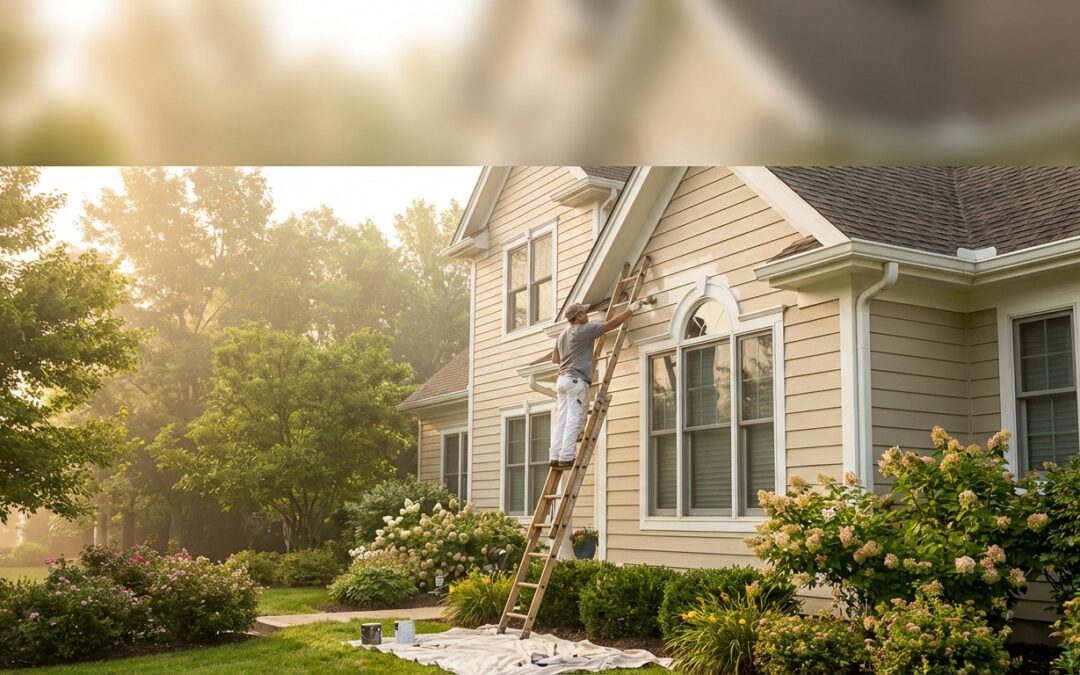
In the Southeast, your home’s exterior paint isn’t just about curb appeal—it’s a first line of defense against humidity, intense sun, heavy rain, salt air, and the occasional storm season surprise. Homeowners often ask, “How often should I repaint?” because the answer isn’t one-size-fits-all here. A paint job that lasts 10–12 years in a mild climate might start showing wear far sooner in coastal Florida, the Lowcountry, or a high-humidity inland neighborhood where mildew loves to grow.
The good news: with the right expectations and a proactive maintenance plan, you can time your repaints to protect your siding and trim, avoid costly repairs, and keep your home looking sharp year-round. This guide breaks down realistic repaint timelines for common exterior materials in the Southeast, what conditions shorten (or extend) paint life, and how to spot the early warning signs that it’s time to repaint. You’ll also find practical tips and real-world examples to help you plan, budget, and get the most value from your next exterior painting project.
Why the Southeast Is Tough on Exterior Paint
Exterior paint fails faster in the Southeast because multiple stressors stack up at once. High humidity slows drying and curing, frequent rain tests coatings and caulking, and strong UV exposure breaks down binders and pigments. Add in temperature swings, afternoon thunderstorms, and salty coastal air, and you have a region that can punish even decent paint systems if prep and product selection aren’t spot on.
Humidity is a major culprit. When moisture lingers on siding—especially in shaded areas under eaves or behind shrubs—mildew and algae can take hold. Even if the paint film is intact, biological growth stains surfaces and can eventually compromise adhesion. Homes with limited sun exposure, dense landscaping, or poor airflow are particularly vulnerable.
UV exposure is the quieter, constant enemy. The Southeast sees long, bright summers and many clear days, and UV rays slowly degrade paint’s resins. This can lead to chalking (a powdery residue), fading, and brittleness. South- and west-facing walls typically take the hardest hit, so those elevations may need attention sooner than the rest of the home.
Finally, weather events matter. Tropical storms and hurricanes can drive rain horizontally, forcing water into tiny gaps around trim, windows, and fascia. If caulk fails or paint is already thin, moisture intrusion can cause peeling and wood rot. Even inland areas can see wind-driven rain and hail that accelerates wear. In short, repaint schedules in the Southeast should be based on exposure and material—not just the calendar.
Coastal vs. Inland: Two Different Paint Clocks
Coastal homes contend with salt spray and constant moisture, which can corrode fasteners, degrade coatings, and accelerate paint failure—especially on metal components and trim. Inland homes often face a different mix: intense sun, humidity, and mildew pressure, but typically less salt-related deterioration. If you’re within a few miles of the ocean, expect your repaint interval to be shorter unless you invest in premium products and meticulous prep.
Typical Repaint Timelines by Material (Southeast Edition)
Most repaint advice online gives broad ranges, but Southeast conditions often pull those ranges down. A better approach is to start with a baseline for your siding type and then adjust based on exposure (coastal, full sun, heavy shade, frequent rain) and the quality of the last paint job (prep, primer, coating, and application).
Below are practical, experience-based timelines that many homeowners in the Southeast find realistic. These assume you’re using quality exterior coatings and the surfaces were properly prepped. If the last paint job skipped key steps—like scraping, sanding, priming bare spots, and replacing failed caulk—expect repainting sooner.
Wood Siding and Wood Trim: ~5–8 Years
Wood moves with moisture and temperature changes, which stresses the paint film. In the Southeast, wood is also more likely to stay damp for longer periods, especially on shaded sides of the home. That dampness can lead to peeling, blistering, and rot if paint fails and water gets in.
Wood trim (fascia, soffits, corner boards, window trim) often needs attention before the siding does because it has more edges, joints, and end grain. If your home has lots of decorative trim, plan for touch-ups or partial repaints between full exterior cycles.
Fiber Cement (Hardie-Style): ~8–12 Years
Fiber cement holds paint well when installed and finished correctly. It’s dimensionally stable compared to wood and less prone to moisture-related movement. In the Southeast, the biggest threats are UV exposure (fading) and mildew staining in shaded zones.
If your fiber cement is factory-finished, you may get the upper end of the range. If it was field-painted and the prep was average, the interval may be closer to 8–10 years—especially on sun-baked elevations.
Vinyl and Aluminum Siding: ~10–15 Years (When Painted)
Many vinyl and aluminum homes aren’t painted at all, but when they are, longevity depends heavily on prep and product choice. Vinyl expands and contracts a lot, and dark colors can increase heat absorption, potentially leading to warping. Aluminum can oxidize and needs thorough cleaning and appropriate primers.
In the Southeast, painted vinyl may need repainting closer to 8–12 years if it’s in full sun or exposed to frequent storms. Lighter, vinyl-safe colors and high-quality coatings can extend life.
Stucco and Masonry: ~7–12 Years
Stucco and masonry are porous and can hold moisture. If hairline cracks appear and aren’t sealed, water intrusion can cause staining and paint failure. In humid climates, elastomeric coatings or masonry-specific paints can help bridge minor cracks and shed water more effectively.
Homes with older stucco, frequent sprinklers hitting walls, or lots of shade may see algae and mildew staining sooner, which can make repainting necessary even if the coating is still technically intact.
Brick (Painted): ~10–15 Years, But Maintenance Matters
Painting brick is a commitment. Painted brick can last a long time visually, but if moisture gets trapped, it can cause blistering or peeling. In the Southeast, where humidity and rain are frequent, proper breathability and prep are essential.
If your brick was painted with the wrong product (or without addressing moisture issues first), failure can happen in just a few years. If it was done correctly with masonry-appropriate coatings, you may go 10–15 years with periodic cleaning and spot repairs.
Key Factors That Change Your Repaint Schedule
Two homes on the same street can need repainting years apart. That’s because paint longevity is shaped by exposure, construction details, and maintenance habits—not just material type. Understanding the variables helps you plan with fewer surprises and make smarter choices when you do repaint.
Sun exposure is one of the biggest schedule-changers. South- and west-facing sides get more UV and heat, which accelerates fading and breakdown. It’s common in the Southeast to see one elevation look “tired” well before the rest of the home. In these cases, homeowners sometimes repaint just the most exposed sides first, then do a full repaint later.
Moisture exposure is the other major variable. Poor drainage, clogged gutters, and splashback from hardscaping can keep lower walls wet. Sprinklers hitting siding daily are a frequent issue—especially on stucco, fiber cement, and wood trim. If you’re fighting recurring mildew, it’s often a moisture management problem as much as a paint problem.
Color choice also plays a role. Dark colors absorb more heat, which stresses paint and can increase expansion and contraction—especially on vinyl and on sun-facing walls. In the Southeast, lighter colors often last longer and show less fading. If you love a deep, saturated color, plan for a shorter repaint interval or invest in premium, fade-resistant coatings.
Prep Quality: The Hidden Difference Between 6 Years and 12
In many repaint jobs that fail early, the paint wasn’t the problem—the prep was. Skipping thorough washing, failing to remove chalking, painting over mildew, or leaving loose paint behind can all compromise adhesion. In humid climates, even small prep shortcuts can show up quickly as peeling or bubbling.
Likewise, caulk and sealing details matter. When joints open up around windows, doors, and trim, water gets behind paint and causes localized failure. A repaint that includes careful caulking and spot-priming of bare wood typically lasts longer than one that focuses only on topcoat coverage.
Microclimates Around Your Home
Think beyond your ZIP code. A home under heavy tree canopy may stay damp longer and grow mildew faster. A house near a lake or marsh may see more moisture and bugs. A home on an open lot may get more wind-driven rain and sun. These microclimates can shift your repaint schedule by several years.
Signs It’s Time to Repaint (Before Damage Sets In)
Waiting until paint is visibly failing can lead to higher costs, especially on wood exteriors. The goal is to repaint when protection is declining—but before water intrusion causes rot, swelling, or substrate damage. In the Southeast, where moisture is persistent, catching early signs matters.
Fading and uneven color are often the first indicators. While fading is partly cosmetic, it also signals UV breakdown of the coating. If the color looks washed out on one side of the home, that elevation may be approaching repaint time even if there’s no peeling yet.
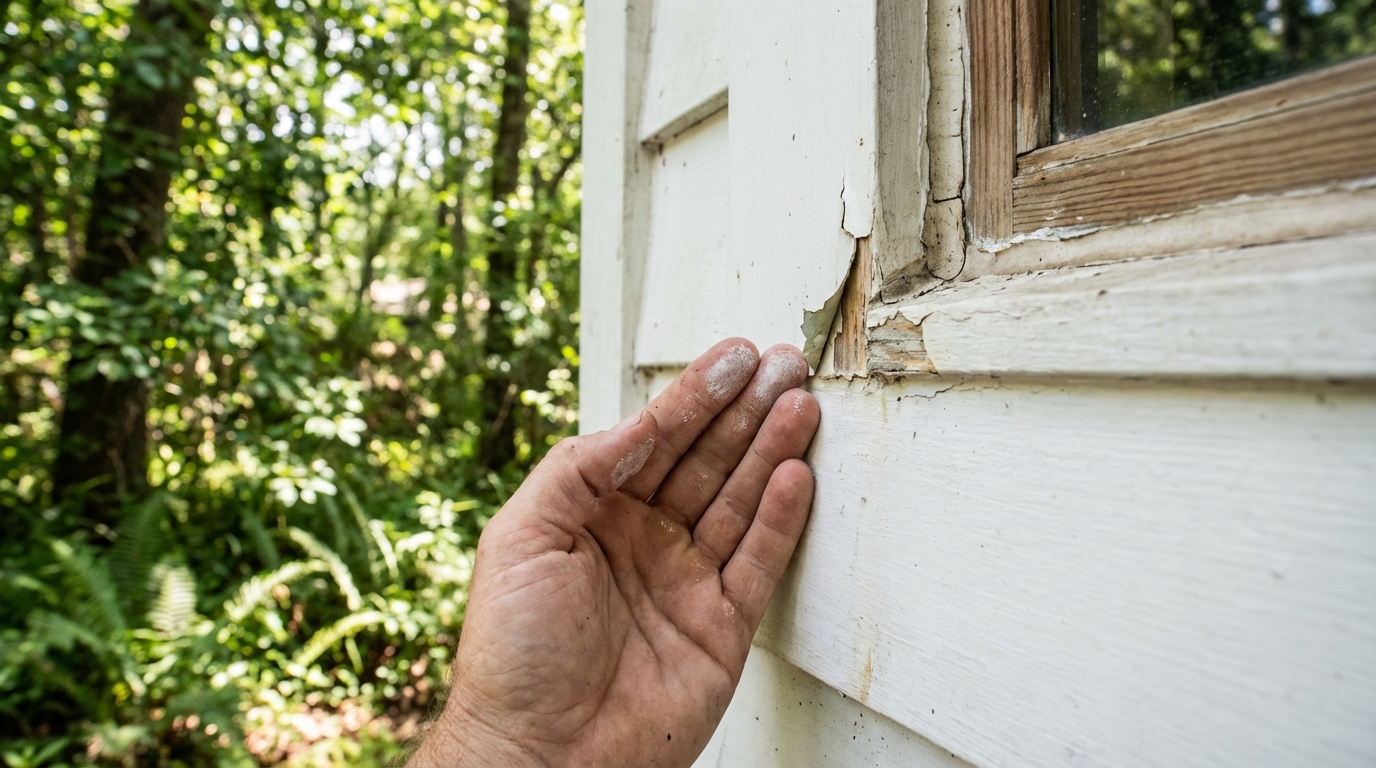
Chalking is another common early warning sign. If you rub your hand on the siding and get a powdery residue, the paint film is degrading. Chalking can interfere with adhesion of new paint unless it’s properly washed and prepped. In humid climates, chalking can also trap dirt and make mildew staining look worse.
Peeling, bubbling, and cracking are more urgent. These typically indicate moisture intrusion, adhesion failure, or both. Once paint lifts, water can get to the substrate, and in wood components that can quickly become rot. In stucco, cracks can widen and allow moisture to migrate behind the coating.
Common Southeast “Red Flags” Homeowners Miss
- Mildew that returns quickly after cleaning: Often a sign that the surface stays damp due to shade, poor airflow, or water sources (gutters/sprinklers).
- Caulk pulling away at joints: A small gap can funnel water behind trim and cause localized peeling.
- Soft or spongy wood at trim edges: Indicates moisture damage—repaint alone won’t solve it; repairs come first.
- Staining under gutters or rooflines: Suggests overflow, leaks, or chronic wetting that will shorten paint life.
- Rust bleeding on nails/metal: Needs proper priming and correction; otherwise stains return through fresh paint.
A Simple Annual Inspection Routine
Set a reminder once a year—ideally in spring—to walk the exterior and check the most exposed or moisture-prone areas: south/west walls, shaded north sides, around downspouts, behind shrubs, and near decks. Take photos each year from the same angles. This makes subtle changes (like growing cracks or worsening chalking) obvious and helps you plan repainting before it becomes an emergency.
How to Make Your Next Exterior Paint Job Last Longer
If you repaint on a predictable schedule, you can treat the project as preventive maintenance rather than a crisis. In the Southeast, longevity comes from three things: controlling moisture, choosing the right coating system, and insisting on prep that matches local conditions.
Start with cleaning and surface preparation. A proper wash removes dirt, chalking, pollen, and mildew. If mildew is present, it must be treated—not just painted over. Painting over biological growth often leads to staining bleeding through or adhesion issues down the road. After washing, allow adequate drying time; in humid weather, that may take longer than expected.
Next, address repairs and sealing. Replace rotted wood, reset loose boards, and repair stucco cracks. Then focus on caulking: use high-quality, paintable exterior sealant at joints and transitions. In the Southeast, flexible, durable caulk can be the difference between a paint job that lasts and one that fails at the seams.
Finally, invest in the right products. Premium exterior acrylic paints generally perform well in humid climates because they’re durable and flexible. For masonry and stucco, use products designed for those substrates, and consider breathable or elastomeric options where appropriate. Primers matter too—especially on bare wood, stained areas, or patched surfaces. A quality primer helps with adhesion and can prevent tannin bleed and flashing.
Practical Tips for Southeast Homeowners
- Trim shrubs back from siding: Create airflow and reduce trapped moisture that feeds mildew.
- Redirect sprinklers: Avoid daily soaking of walls; it shortens paint life dramatically.
- Keep gutters clean and extensions working: Overflow and splashback are common causes of paint failure.
- Choose lighter colors for high-sun elevations: They fade less and reduce heat stress on coatings.
- Ask for a written scope: Ensure prep steps (scraping, sanding, priming, caulking) are clearly included.
Real-World Example: Two Homes, Two Outcomes
Consider two similar homes in a humid Southeast neighborhood. Home A repaints with a mid-grade paint but invests in thorough washing, mildew treatment, spot-priming bare wood, and replacing failed caulk around windows. Home B uses a premium paint but skips mildew treatment and paints over chalking and loose edges to save time. Within a few years, Home B starts showing peeling at trim joints and recurring stains on shaded walls, while Home A still looks consistent and intact. The takeaway: product quality matters, but prep and moisture control often matter more.
Planning Your Repaint: Timing, Budget, and Strategy
Repainting your exterior is a significant investment, so planning pays off. In the Southeast, the best time to paint is typically during periods of stable weather—often spring and fall—when temperatures are moderate and humidity is less extreme. That said, good contractors can work around summer conditions by monitoring forecasts, starting earlier in the day, and ensuring surfaces dry properly before coating.
Budgeting is easier when you treat repainting as a cycle. If your home generally needs repainting every 7–10 years, you can set aside a small amount annually and avoid sticker shock. Also consider that proactive repainting can reduce repair costs. Replacing rotted trim, fixing swollen siding, or remediating moisture damage is usually far more expensive than repainting a still-sound surface.
Strategically, you don’t always need to repaint everything at once. If only the sun-facing sides are fading or chalking, you can sometimes do a phased approach: repaint the most exposed elevations and trim first, then complete the rest later. This can help spread costs while still protecting vulnerable areas. However, color matching and sheen consistency can be tricky, so discuss options with a professional before committing to a phased plan.
It also helps to think in terms of “systems,” not just paint. Your repaint plan should include gutter performance, grading and drainage, caulk condition, and ventilation. In the Southeast, paint longevity often improves when the home sheds water effectively and dries quickly after rain.
Questions to Ask Before Hiring an Exterior Painter
- What is your process for mildew removal and prevention in shaded areas?
- How do you handle chalking and loose paint—scrape, sand, or both?
- Which primer and topcoat system are you specifying for my siding type?
- What caulk do you use, and where will you re-caulk?
- How will you protect landscaping and manage cleanup?
When a “Repaint” Should Become a “Repair + Repaint”
If you notice persistent peeling in the same spots, soft wood, widespread cracking in stucco, or moisture stains that return quickly, a repaint alone may not solve the root problem. In these cases, it’s smarter to address repairs—like replacing damaged trim, fixing flashing, improving drainage, or correcting sprinkler patterns—so your new paint job isn’t set up to fail.
Conclusion: A Smart Repaint Schedule for the Southeast
So, how often should you repaint your exterior in the Southeast? For many homes, a realistic range is every 7–12 years, but the true answer depends on your siding material, sun and moisture exposure, and the quality of prep and products used. Wood and trim often fall closer to 5–8 years, fiber cement commonly lands around 8–12, and painted masonry or brick can stretch longer when moisture is managed and the right coatings are applied.
The most reliable way to protect your home is to watch for early warning signs—fading, chalking, recurring mildew, failing caulk, and small areas of peeling—and respond before water intrusion causes damage. Annual inspections, simple moisture-control improvements (like gutter maintenance and sprinkler adjustments), and good airflow around the home can meaningfully extend paint life in a humid climate.
Key takeaways: prioritize prep, control moisture, choose region-appropriate coatings, and plan your repainting as preventive maintenance. When you time it right, repainting isn’t just a cosmetic upgrade—it’s one of the best ways to preserve your exterior materials, maintain property value, and keep your home looking its best through every Southeast season.