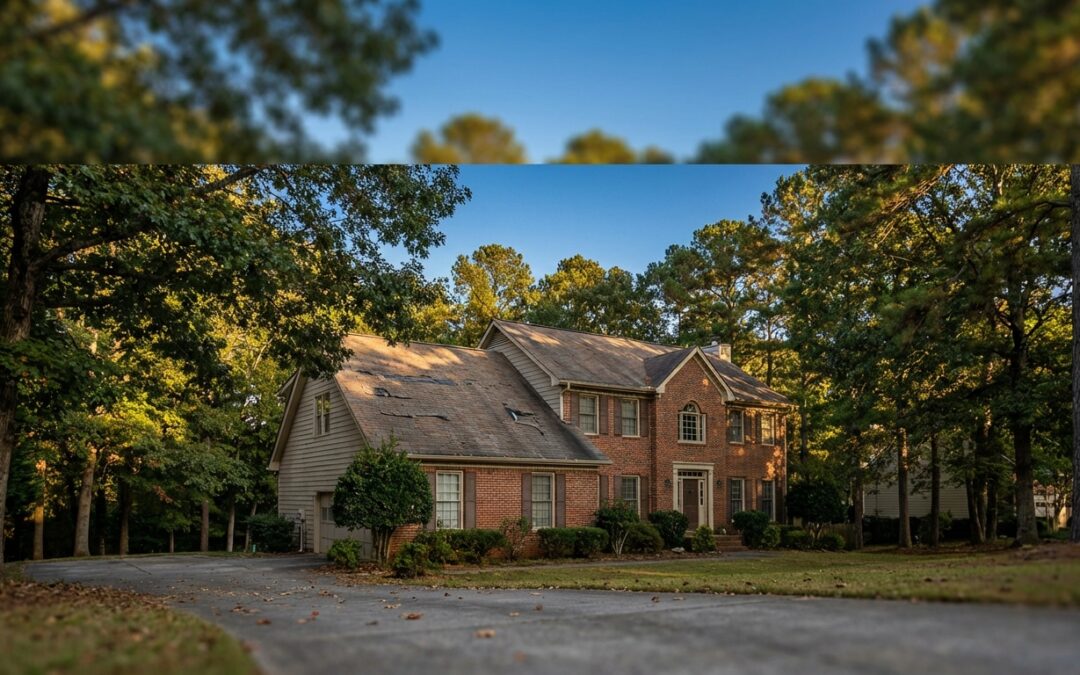
When it comes to maintaining your home in Georgia, the roof is one of the most critical components to monitor. Known for its diverse weather conditions, from hot summers to occasional storms, Georgia can put your roof to the test. Knowing when it’s time to replace your roof can prevent potential damage and save you money in the long run.
Understanding Georgia’s Climate Impact on Roofs
Georgia’s climate poses unique challenges to roofing materials. The combination of hot, humid summers and potential for severe storms can lead to accelerated wear and tear. Homeowners must be vigilant in inspecting their roofs to ensure they are prepared for these environmental stresses.
The heat in Georgia can cause roofing materials to expand and contract, which over time can lead to cracks and other forms of damage. Asphalt shingles, common in many homes, may curl or blister under extreme heat, indicating a need for replacement.
Additionally, Georgia’s storm season can bring high winds and heavy rain, both of which can wreak havoc on a roof. Missing or damaged shingles after a storm are a clear sign that your roof may need attention. Regular inspections after storm events are crucial to catch these issues early.
Understanding how the climate affects your roof can help you take preventative measures and identify problems before they escalate. By staying informed, you can prolong the life of your roof and ensure your home stays protected.
Common Signs Your Roof Needs Replacement
Age of the Roof
The age of your roof is one of the simplest indicators of its condition. Most roofs are designed to last between 20 to 25 years. If your roof is approaching or has surpassed this age range, it might be time to consider a replacement.
If you purchased your home and are unsure of the roof’s age, looking at home inspection records or seeking a professional evaluation can provide clarity. Older roofs are more susceptible to leaks and structural damage, making replacement a wise investment for peace of mind.
Visible Damage
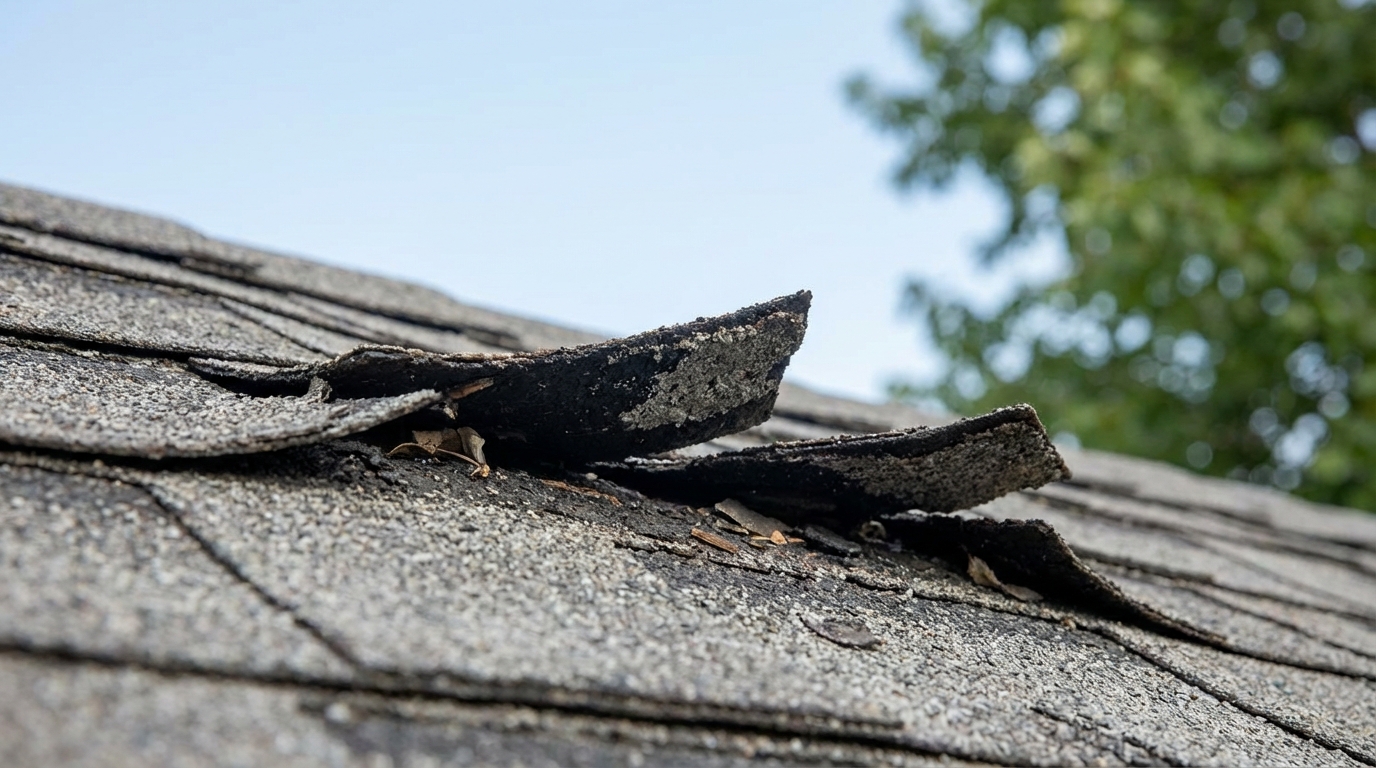
Visible damage such as cracked, curling, or missing shingles is a strong signal that your roof needs attention. These issues can compromise the roof’s ability to protect your home from the elements, leading to leaks and further damage.
Granule loss is another sign of aging in asphalt shingles. If you notice granules in your gutters, it indicates that your shingles are deteriorating and may no longer provide adequate protection.
Interior Signs
Sometimes, the need for a roof replacement is most evident from inside the home. Water stains on ceilings or walls can indicate leaks, often resulting from roof damage. If left unaddressed, these leaks can lead to mold growth and structural issues.
In addition, drafts in your attic could be a sign of compromised roofing, allowing air to pass where it shouldn’t. This not only affects the comfort of your home but can also increase energy costs.
Choosing the Right Materials for Replacement
When it becomes clear that a roof replacement is necessary, selecting the right materials is paramount. In Georgia, durability and resistance to weather conditions should be top priorities.
Asphalt shingles remain a popular choice due to their affordability and ease of installation. However, homeowners might consider metal roofing, which offers longevity and resilience against harsh weather.
Clay tiles are another option, known for their durability and ability to withstand high temperatures. Although more expensive initially, they can be a cost-effective choice over time due to their long lifespan.
Environmental and Aesthetic Considerations
Beyond durability, consider the environmental impact and aesthetic appeal of your roofing materials. Metal roofs, for example, are recyclable and can reflect solar heat, reducing cooling costs.
Color and style should complement your home’s architecture and environment. Lighter colors can reflect more sunlight, helping to keep your home cooler in Georgia’s heat.
Hiring a Professional Roofer
When it’s time to replace your roof, hiring a qualified professional is crucial. A skilled roofer can assess the condition of your roof, recommend materials, and ensure a proper installation.
Research potential contractors thoroughly. Look for reviews, ask for references, and verify their credentials. A reputable contractor should be licensed, insured, and able to provide a detailed estimate.
Effective communication with your roofer is essential. Discuss your budget, material preferences, and timeline upfront to avoid misunderstandings. A professional will work with you to accommodate your needs and ensure a smooth replacement process.
Conclusion
Recognizing the signs that it’s time to replace your roof can prevent costly damage and ensure your home remains safe and comfortable. By understanding the impact of Georgia’s climate, identifying common signs of roof wear, selecting the appropriate materials, and hiring a professional contractor, you can navigate the roof replacement process with confidence.
Proactive maintenance and timely replacement are key to extending the lifespan of your roof and protecting your investment. By staying informed and taking action when needed, you can ensure your home stands strong against Georgia’s diverse weather conditions.